Strengthening field environmental management: Assessing the Green Field Tool roll-out in NPA
Download as PDF · Published: December 2025 · Categories: Publications, Environment in Humanitarian Disarmament
About this report
Mine action takes place in some of the world’s most fragile environments that are impacted by conflict, pollution and degraded ecosystems. As the climate crisis accelerates, these vulnerabilities deepen. Rising temperatures, prolonged droughts, intense rainfall, and extreme weather events not only endanger communities but also directly affect how explosive remnants of war behave, move, and deteriorate. Contamination can shift due to flooding, heat can reduce working hours, and increased precipitation and storms can halt operations.
These climate-driven pressures converge with the broader “triple planetary crisis” of climate change, pollution, and biodiversity loss. Together, they shape the environments where mine action teams work every day. To reduce risks, protect our staff and communities, and ensure sustainable operations, mine action organisations increasingly need tools to understand and manage environmental and climate impacts.
Norwegian People’s Aid (NPA) and the Conflict and Environment Observatory (CEOBS) are launching the report Strengthening field environmental management: Assessing the Green Field Tool roll-out in NPA during the 22nd Meeting of the States Parties to the Anti-Personnel Mine Ban Convention (22MSP) in Geneva.
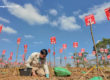
The study examines the roll-out of the Green Field Tool (GFT) across seven NPA mine action programmes in Angola, Bosnia and Herzegovina, Cambodia, Ukraine, Vietnam, Yemen, and Zimbabwe – between May and November 2025. The findings highlight both progress and challenges in integrating environmental and climate risk assessments into operations.
About the Green Field Tool
Developed by NPA and the Conflict and Environment Observatory (CEOBS), the GFT is a practical, field-friendly tool designed to help mine action operators assess environmental and climate risks. It aligns with the International Mine Action Standard 07.13 on environmental management and climate change, as well as other established environmental assessment frameworks. The tool uses environmental Profiles and Assessments to identify site-specific risks, guide mitigation measures, and support improved reporting and planning.
Key findings from the report
Climate impacts are already a reality for mine action teams.
All programmes reported firsthand experiences with extreme weather, including stand-downs due to storms, heat stress affecting staff safety, flooding, and the movement of explosive remnants of war—effects all intensified by climate change.
Using the GFT increases environmental awareness.
Beyond improving risk assessments and planning, many programmes reported that simply using the tool significantly increased staff understanding of environmental and climate issues.
The tool is adaptable — but requires support.
The GFT proved flexible across very different country contexts. However, effective implementation requires time, strong management commitment, dedicated staff, regional cooperation, translation of materials, and sustainable resources to address capacity gaps and technical challenges.
Contributing to global obligations.
Through this work, NPA strengthens states’ implementation of the Mine Ban Convention, the Siem Reap–Angkor Action Plan, and IMAS 07.13. It also helps bring environmental management higher onto the agendas of donors and national authorities at a time of tightening resources.