WISEN WATCH: A citizen science approach to conflict environmental monitoring
Rebekah Harries introduces WISEN WATCH: our new citizen science tool that allows anyone to help us remotely track and assess wartime environmental damage.
Countries enduring conflict are hit harder and suffer more deaths when disasters such as storms and earthquakes strike. Rebekah Harries asks whether disaster risk reduction frameworks doing enough to acknowledge this link between conflict and disaster risk?
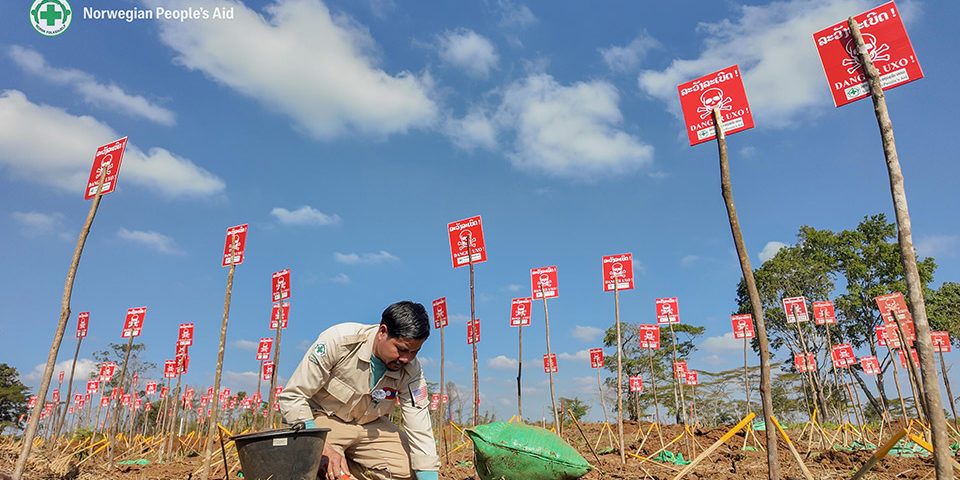
By excluding people, minefields can reduce pressure from human activities. With governments obliged to clear mines and explosive remnants of war, understanding how their presence and removal influences biodiversity is critical. In this post, Dr Franciany Braga-Pereira describes what she and her team discovered studying minefield refugia in Angola.
CEOBS offers specialist training and consultancy to help mine action organisations meet the requirements of the updated IMAS 07.13 on Environmental Management and Climate Change.
We believe that a more systematic and comprehensive approach to monitoring environmental change in areas affected by conflicts could radically improve how damage is understood, perceived and addressed. Here we introduce our contribution to that vision, our Wartime IncidentS to ENvironment Database, or WISEN.
This webinar will introduce CEOBS’ Wartime IncidentS to ENvironment (WISEN) methodology, explore how we have used it for research on Ukraine, Sudan and Iran, discuss how data can be used for different purposes, and consider future opportunities to improve documentation.
The war in Ukraine continues to harm universities and academia, impacting research and knowledge vital for Ukraine’s sustainable recovery. This report assesses the state of relevant academic research and presents the results of a major literature review of sustainable recovery research to identify trends and gaps.
The idea that humanity and the environment are separate facilitates wartime environmental destruction, argue Samira Siddique and Simon Watkins. But it can also help us understand why communities must be at the heart of post-conflict recovery decision-making.