Short-term energy policies risk slowing a transition that will bring genuine energy security.

The Israeli-US war with Iran is disrupting global fossil fuel supply chains and, while states increasingly recognise that renewables reduce exposure to geopolitical shocks, there are dangers that emergency energy policies are chosen that lock-in emissions and energy insecurity. In this post Grace Alexander explores how governments are reacting to this latest fossil energy price shock, and whether the global energy transition will be delayed or accelerated.
Introduction
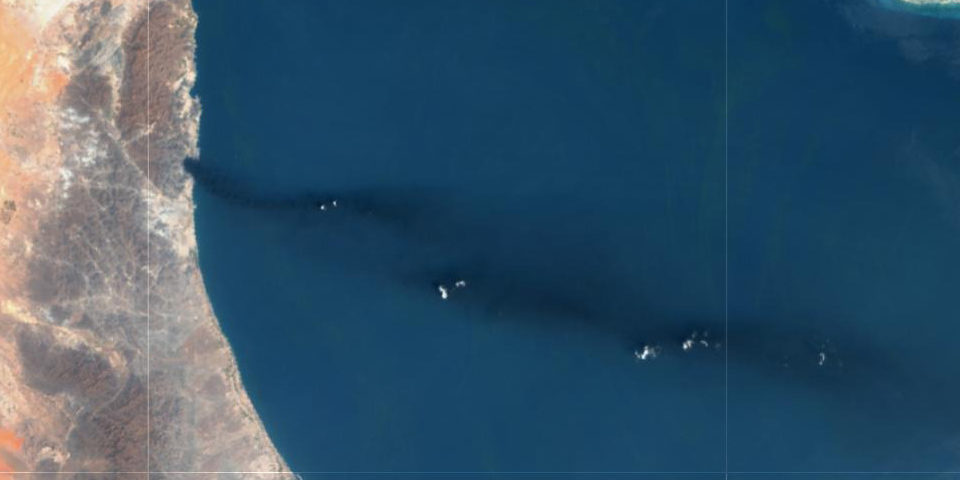
Around 20% of global oil and LNG transport passes through the Strait of Hormuz, with around 80% of it going to Asian markets. The Iran war has disrupted the fossil fuel supply chains not only through direct damage to fossil fuel infrastructure but also disruption to a key transportation route. In doing so highlighting both the volatility of fossil fuel supply chains to geopolitical shocks, and yet again underlining the danger of reliance on fossil fuels.
While there are signs of increased attention on renewables and energy security, there is also a danger that states will pivot to alternative fossil fuel sources. In the short term, governments often prioritise securing supply in response to oil and LNG price shocks. For example, European markets have experienced sharp price volatility, while several Asian economies, including South Korea, Japan, and Taiwan, face heightened concerns about energy supply stability due to their reliance on imported fossil fuels. Moreover, India, Pakistan and Bangladesh are particularly vulnerable to transit flow disruptions: in 2025 two thirds of their LNG supply was shipped through the Strait of Hormuz.
Alternative fuel sources
To meet immediate energy demand, countries may prioritise alternative fuel sources such as coal or alternative LNG imports. However, these responses risk reinforcing fossil fuel dependence rather than reducing it. Coal, for instance, is significantly more polluting than other fossil fuels such as gas and oil and contributes substantially to greenhouse gas emissions.
At the same time, governments may seek to expand domestic fossil fuel production to improve energy security. Following Russia’s full-scale invasion of Ukraine in 2022, China increased coal production and incorporated coal expansion into national energy plans amid concerns about price volatility and energy supply stability. Similarly, European countries shifted LNG imports from Russia toward the US and other suppliers. Although policymakers increasingly emphasise energy security and renewable energy as long-term solutions, these intermediate shifts toward alternative fossil fuels risk creating fossil fuel lock-in. Infrastructure investments made during crises, such as LNG terminals, pipelines, or expanded fossil fuel production capacity, can be long-lived, potentially delaying the transition to cleaner energy systems. Resources directed toward these investments could instead be allocated toward the upfront costs of renewable energy infrastructure.
The case for renewables
Renewable energy offers a pathway to improved energy security while reducing dependence on volatile global fossil fuel markets. Unlike fossil fuels, renewable energy sources such as solar and wind can be produced domestically and are less vulnerable to disruptions in global supply chains or geopolitical conflict. Though it should be noted that renewable supply chains are not themselves without risks. For instance, demand for critical minerals in renewable supply chains could also link to geopolitical tensions. However, renewable energy has many advantages over fossil fuels due to the nature of the energy source being non-exhaustable. In addition, renewable energy systems are often more decentralised, reducing reliance on a small number of critical transportation routes or suppliers.
Studies have highlighted the role of renewable energy in strengthening energy security and reducing geopolitical vulnerability. The current crisis therefore presents not only risks to global energy systems, but also an opportunity to accelerate investment in renewable energy as a more resilient alternative.
Policy framing
Recent policy discussions in the UK illustrate how renewables are increasingly being framed as part of national energy security strategies. During a parliamentary hearing on the economic implications of the war against Iran, UK Chancellor Rachel Reeves stated that the government stands ready to release strategic oil reserves if necessary to stabilise global markets. However, she also noted that the UK is now less exposed to international energy price shocks than it was during the early stages of Russia’s 2022 invasion of Ukraine, partly because of increased investment in domestic renewable energy. Electricity generated through renewable energy projects supported by the UK’s Contracts for Difference scheme is purchased at fixed prices, meaning it is less directly exposed to fluctuations in global fossil fuel markets.
This reflects a broader shift in how policymakers are beginning to frame renewable energy. Beyond reducing greenhouse gas emissions, renewables are increasingly seen as a way to strengthen resilience to geopolitical shocks, helping insulate national economies from disruptions to global energy trade and supply chains. At the same time, the current crisis demonstrates the tension between short-term energy security responses and longer-term transition goals. While governments may temporarily rely on alternative fossil fuel supplies to stabilise markets, continued investment in renewable energy ultimately provides a more durable pathway to energy security by reducing exposure to volatile global fuel markets.
What are countries saying?
Early government responses to the Iran war illustrate the range of energy security strategies currently being considered. Some governments are turning to intermediate fossil fuels, such as coal, to stabilise electricity supply in the short term. South Korea, for example, announced it would lift limits on coal-fired power generation in response to disruptions in oil and gas shipments through the Strait of Hormuz. Meanwhile, Japan has sought to secure additional LNG supplies by asking Australia to increase production, reflecting the vulnerability of major LNG importers to supply shocks. Across Europe and Asia, governments are also exploring diversification of energy imports and domestic supply measures. At the same time, other voices are continuing to frame renewable expansion as part of a longer-term strategy for improving energy security.
| Country | Coal / other fossil substitution | LNG diversification / imports | Signals of new fossil investment | Renewables / transition mentioned | Source |
|---|---|---|---|---|---|
| South Korea | The government announced it will lift limits on coal-fired power generation to stabilise energy supply during the Iran crisis. | Not specified | Also plans to increase nuclear utilisation to ~80% to stabilise electricity supply. | The government response task force said the crisis response budget will also include expanded renewable investment. | (Reuters) |
| Japan | Coal is seen as a backup power generation option if crisis deepens. | Japan’s industry minister asked Australia to increase LNG output to stabilise supply during the Iran crisis. | Japan in talks for additional contracts of LNG. | Renewables framed as part of long-term energy security strategy. | (Reuters); (Reuters); (Argus) |
| China | China has previously increased coal production to stabilise energy supply during price volatility, making coal a key security tool. | China remains one of the world’s largest LNG importers. | Domestic coal production increases are used as an energy security measure. | China simultaneously continues large-scale renewables expansion. | (The Oxford Institute for Energy Studies) |
Vulnerabilities of fossil fuel investment
In the short term, geopolitical conflict and supply disruptions may increase reliance on fossil fuels as governments prioritise energy security and supply stability. Moreover, current price increases in fossil fuels can make commercial extraction more attractive, potentially slowing the energy transition. However, these responses risk reinforcing fossil fuel lock-in if they lead to long-term infrastructure investments that extend the life of carbon-intensive energy systems. At the same time, the crisis also highlights the vulnerabilities inherent in fossil fuel supply chains and the strategic advantages of renewable energy. One potential tool governments could use to transition to renewables, counter consumer price increases and avoid fossil fuel lock-ins is to implement a windfall tax on increased fossil fuel profits.
Overall, the lesson from this latest global price shock is clear: expanding domestic renewable energy production reduces exposure to geopolitical shocks while supporting long-term decarbonisation goals. It’s vital that governments focus on maintaining momentum towards the global energy transition, while avoiding the perils of short-term policies that lock in further fossil fuel insecurity.
Grace Alexander is CEOBS military and conflict emissions researcher. If you find our work useful, please consider a donation so that we can continue it.