WISEN WATCH: A citizen science approach to conflict environmental monitoring
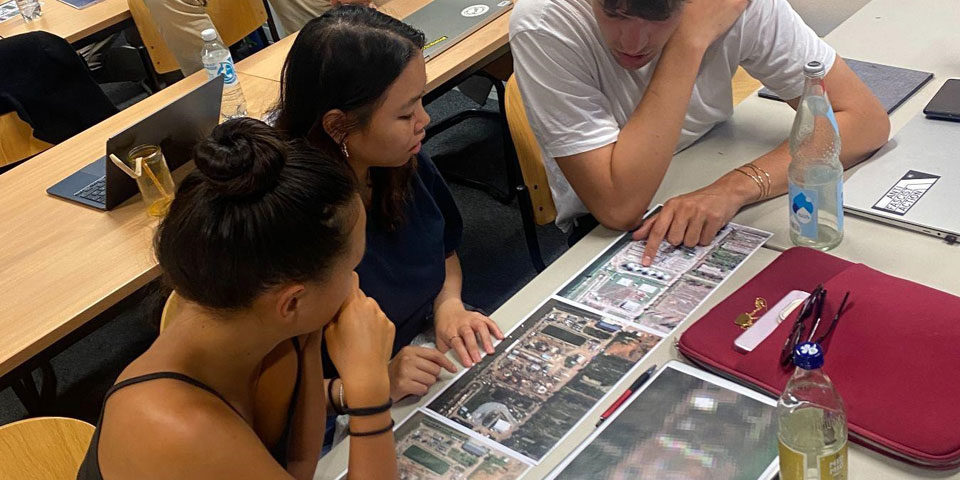
Rebekah Harries introduces WISEN WATCH: our new citizen science tool that allows anyone to help us remotely track and assess wartime environmental damage.

Rebekah Harries introduces WISEN WATCH: our new citizen science tool that allows anyone to help us remotely track and assess wartime environmental damage.
Elaine Donderer reports on the first in-person event of the European Citizen Science Association’s new working group on citizen science in areas affected by armed conflicts, which took place at the Association’s 2026 conference at the University of Oulu, Finland.
The European Citizen Science Association (ECSA) has launched a new working group to explore and promote the use of citizen science in areas affected by armed conflicts. Anna Berti Suman and Doug Weir explain why it has been launched and how people can contribute.
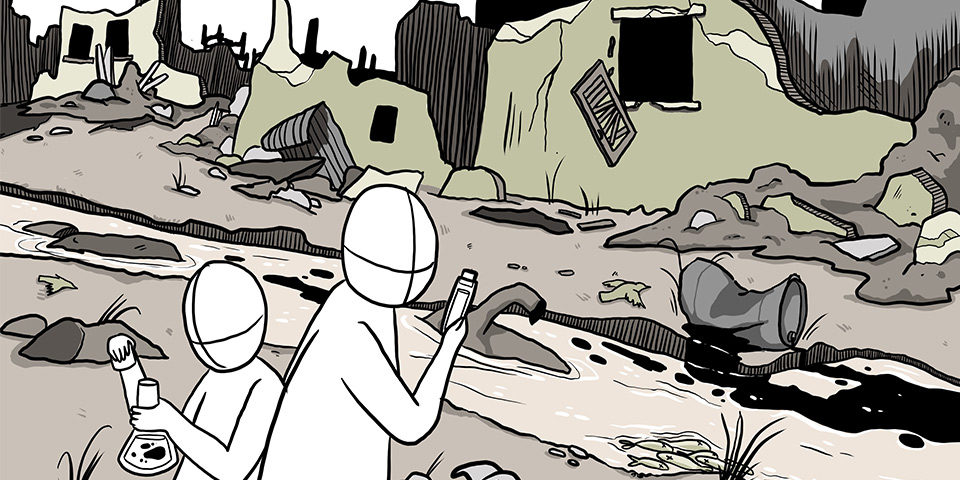
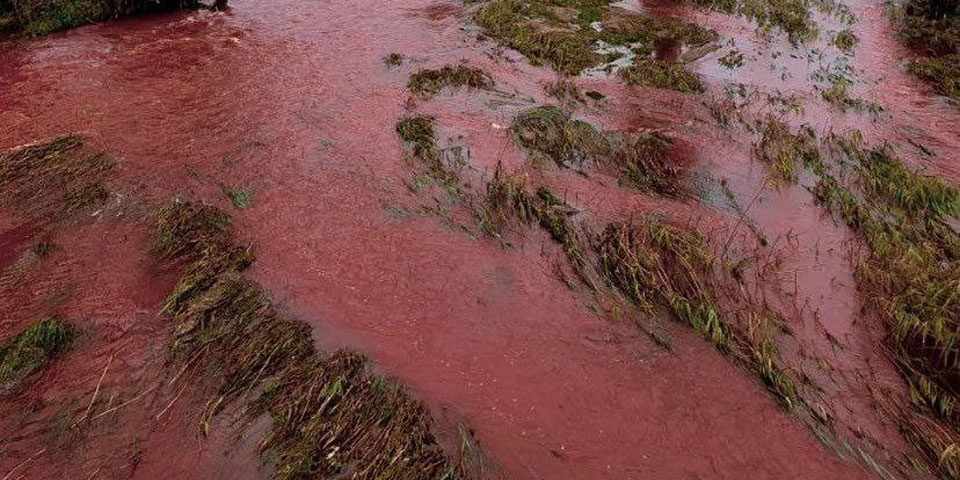
As part of the GROMADA project CEOBS developed and hosted an online hackathon to identify citizen science opportunities to track water quality issues linked to the war in Ukraine. In this post, the team report on the event and its results.
CEOBS is part of an Erasmus+ funded consortium exploring the potential for participatory environmental research in Ukraine to contribute to environmental protection, legal accountability and community engagement. In this post, Iryna Babanina introduces the project, its aims and outputs to date.
Ми запрошуємо студентів та викладачів українських та закордонних вищих навчальних закладів, а також громадських активістів, до участі в онлайн-хакатоні 13-14 листопада, на якому учасники винаходитимуть рішення у сфері громадянської науки, що стосуватимуться випадків шкоди, спричиненої бойовими діями, які вплинули на якість води в громадах України.
We are looking for Ukrainian and international university students, teaching staff and activists to participate in an online hackathon on November 13-14th 2024 to identify citizen science solutions for war-related incidents that have impacted water quality in Ukrainian communities.
Unless we know how the environment has been harmed during conflicts, planning assistance to people and ecosystems is impossible. Could low cost participatory research help plug the current data collection gap in areas affected by conflicts?