Joint statement on conflict pollution, OEWG on a Science Policy Panel
Joint statement on the potential role of a science-policy panel in addressing the health and ecological impact of conflict pollution and the toxic remnants of war.

Joint statement on the potential role of a science-policy panel in addressing the health and ecological impact of conflict pollution and the toxic remnants of war.
On 25th October, CEOBS will be co-hosting an interactive dialogue on the International Law Commission’s principles on the protection of the environment in relation to armed conflicts in New York.
For nearly a decade we have been publishing blog posts and reports on the emerging legal framework protecting the environment in relation to armed conflicts, and monitoring and reporting on UN meetings, we’ve now brought our PERAC publications together into one place.
What are the PERAC principles and how will they reduce harm to the environment from war? Our FAQ explains what they are, how they were developed and the impact that they could have.
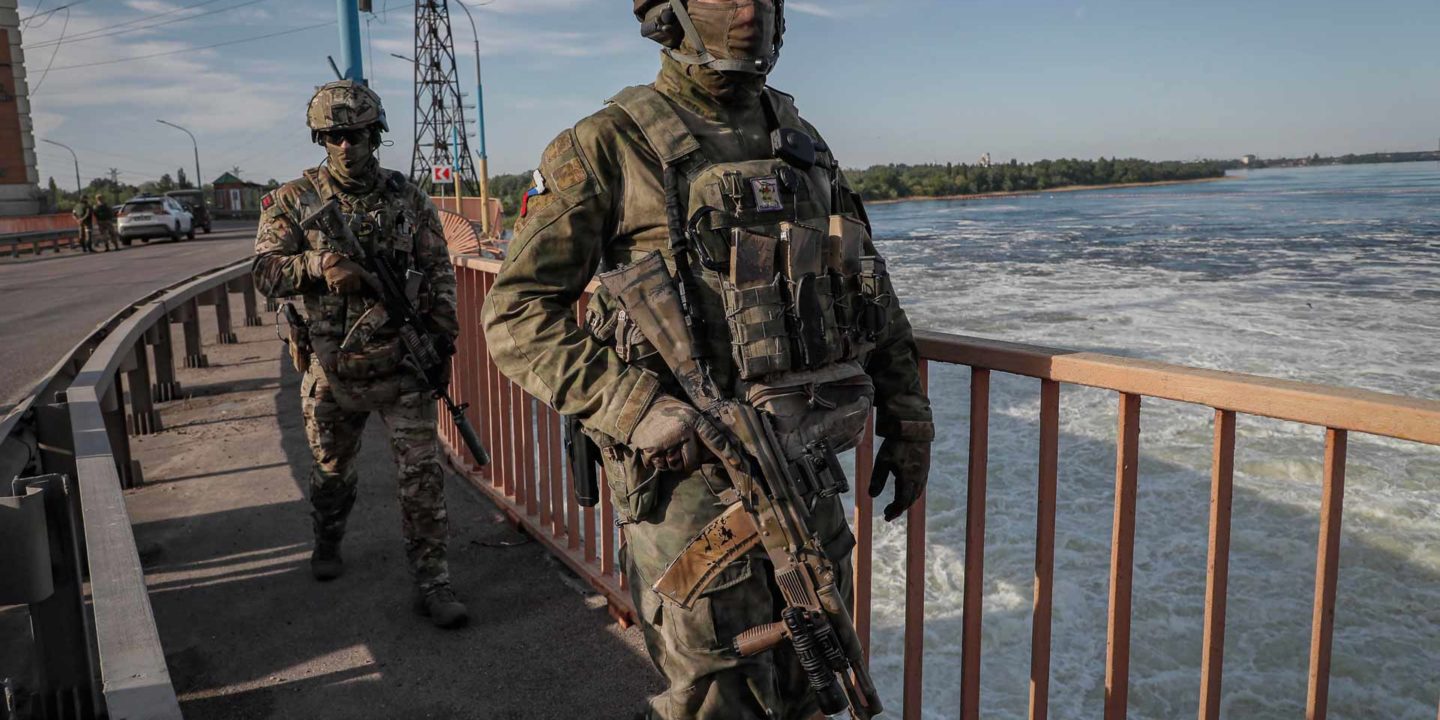
This second in our series of joint CEOBS-Zoï Environment Network briefings on Ukraine explores how the conflict has impacted Ukraine’s water infrastructure and resources, harming people and ecosystems.
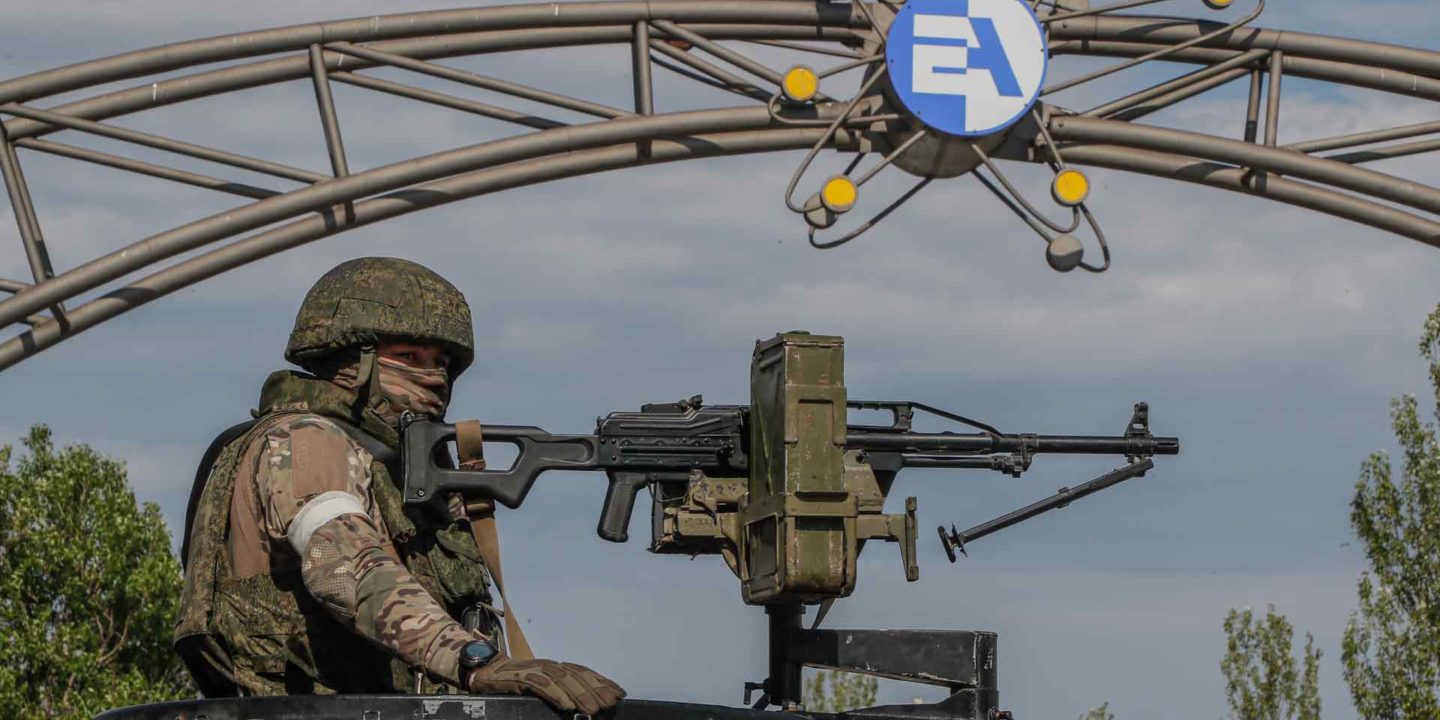
This first in a series of joint CEOBS-Zoï Environment Network briefings on Ukraine explores how the conflict has impacted Ukraine’s nuclear facilities, threatening people and the environment.
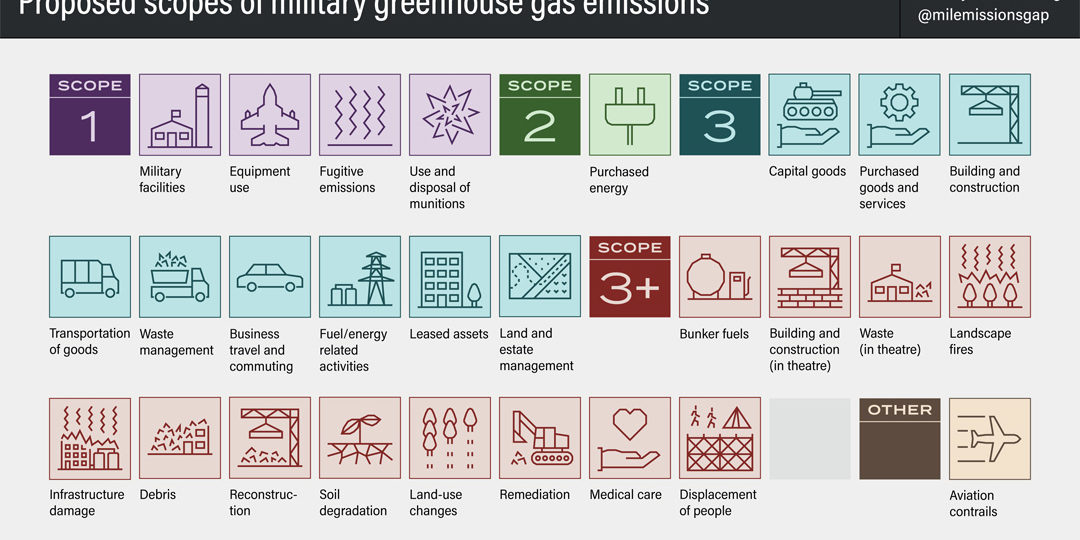
This paper examines the need for military greenhouse gas emissions reporting, its functions and components, and sets out an initial framework for the military sources that emissions reporting should cover, including those associated with armed conflicts.
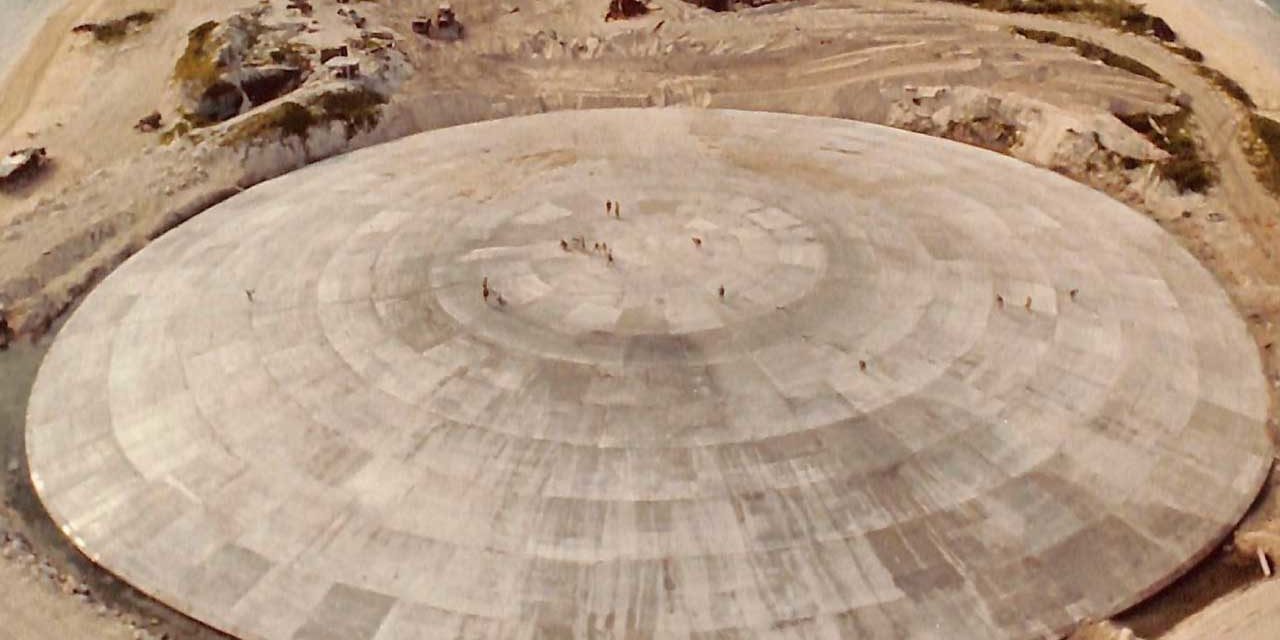
Facing Fallout identifies 19 principles for remediating the environment contaminated by nuclear weapons; it also includes a commentary that elaborates on the principles and provides legal and policy precedent for each.