Understanding gender, conflict and the environment

Last year’s landmark UNEA-2 resolution on conflict and the environment, the most significant of its kind since 1992, was the product of tough negotiations. Fortunately however, a hard-fought reference on gender made the final version of the text. Alexandria Reid suggests that the reference itself is unquestionably a positive step. But to effectively incorporate this gender perspective in future policy to fully understand and clarify what gendered approaches mean in the context of conflict, peacebuilding and the environment.

The nuclear ban treaty needs work if it’s to deliver on the environment

The current diplomatic process towards a convention banning nuclear weapons is a remarkable breakthrough. It’s also an opportunity to reset the difficult historical relationship between nuclear weapons, and the international law intended to protect the environment in relation to armed conflicts. This blog analyses the environmental elements of the newly published draft ban treaty but in doing so it finds that there is room for improvement, if states and civil society hope to truly deliver on their humanitarian and environmental objectives.

Why our human rights depend on turning conflict into conservation

Biodiversity hotspots cover just 1.4% of the planet’s surface, yet 80% of major armed conflicts between 1950 and 2000 occurred in these areas. With the recent release of a UN report stressing the direct relationship between biodiversity and human rights, Alex Reid asks whether it’s time for us to reassess our understanding of the links between armed conflict, human rights and conservation.

New data on Ukraine conflict’s environmental risks supports calls for comprehensive assessment

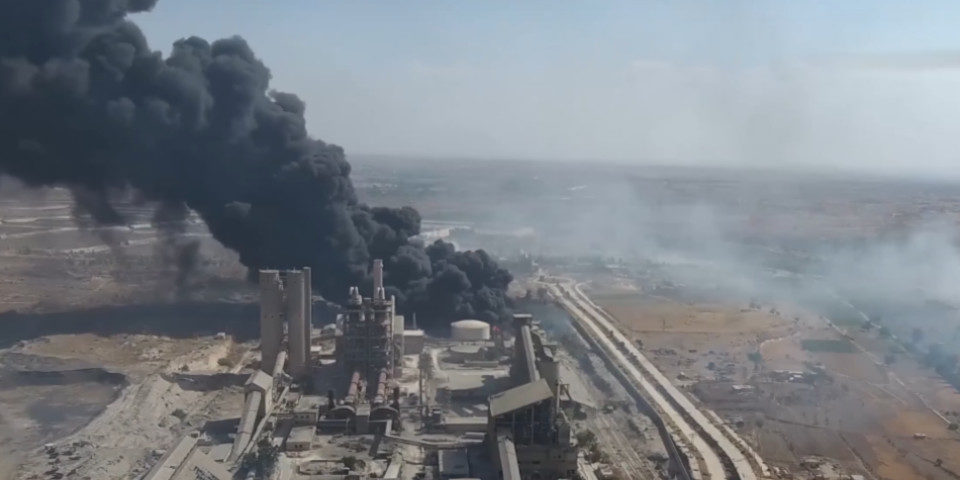
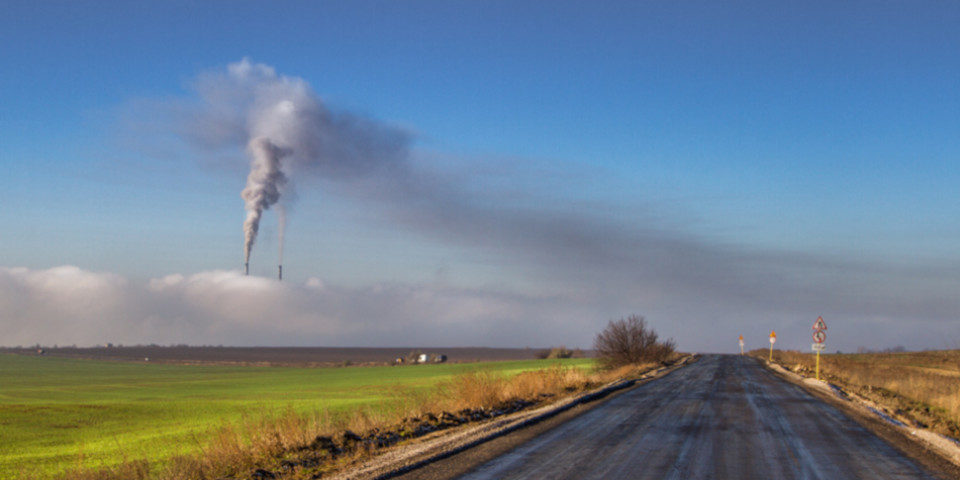
With the Ukraine conflict’s environment risks again in the news, Zoï Environment Network has released new maps on the environmental consequences of the conflict. Both sides are increasingly conscious of the humanitarian and ecological impact of the war and plans to minimise risks and encourage sustainable reconstruction are being promoted. But without a comprehensive assessment of the damage, such proposals are of limited value.

Mainstreaming the environment in peace and security

Everyone recognises the importance of environmental mainstreaming. It’s a problem that is particularly acute for conflict and the environment, where the environment is rarely prioritised before, during or after conflicts. In turn this influences how we frame the issues we work on, and it also influences how we work, often content with modest progress from one project to the next. The barriers we face are shared, and systemic, which begs the question – do we need to change the system, together?

Do the ILC’s draft principles on remnants and data sharing reflect state practice?

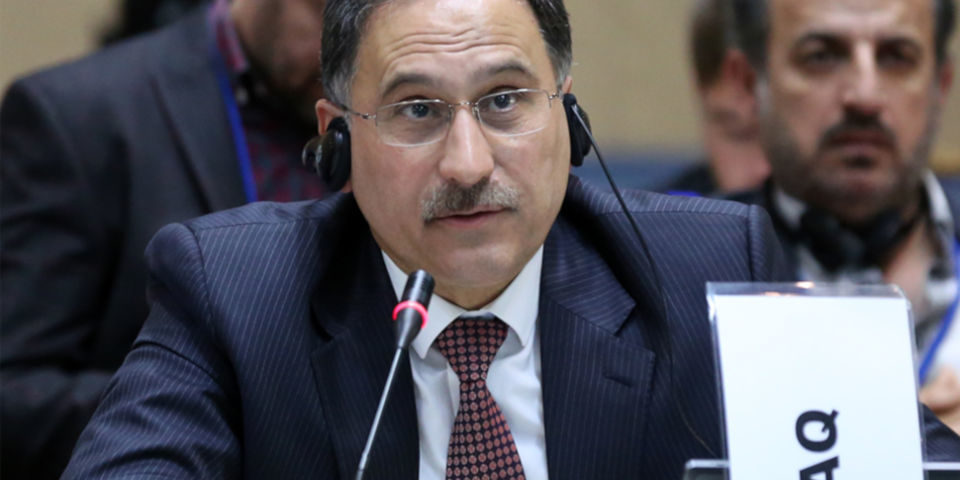
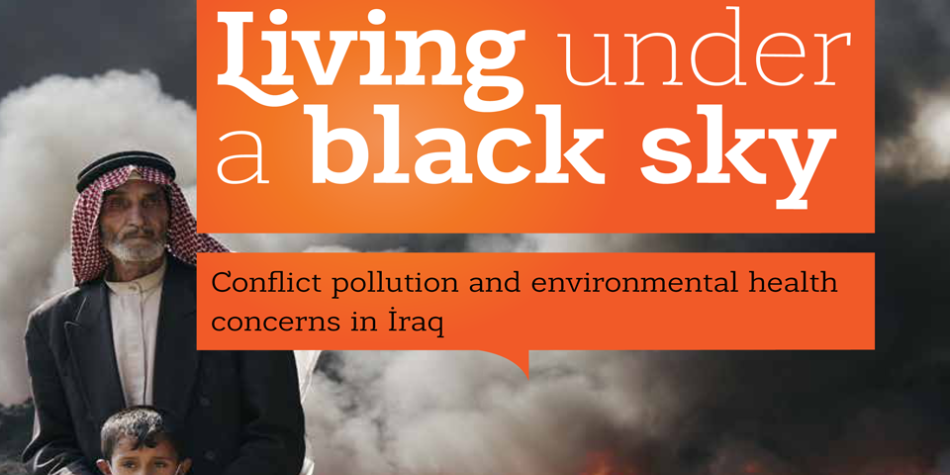
With new legal principles on the table governing obligations for the remediation of toxic remnants of war, and to ensure data sharing on environmental risks, we take a look at the case of depleted uranium use in Iraq. The US and UK were reluctant to accept responsibility for clearance, and differed markedly on data sharing and cooperation with the Iraqi authorities and UN system.