Environmental trends in the Ukraine conflict, 10 days in
This update provides an overview of some of the environmental trends caused by Russia’s invasion of Ukraine. It builds on our initial rapid assessment, which was published on Feb 25th.

This update provides an overview of some of the environmental trends caused by Russia’s invasion of Ukraine. It builds on our initial rapid assessment, which was published on Feb 25th.
Rapid overview of emerging environmental issues and perspectives arising from the Russian invasion of Ukraine.
The electrification of military vehicles will increase demand for batteries, yet forthcoming EU battery legislation contains a blanket military exemption. Piotr Barczak and Linsey Cottrell explain why the exemption challenges military greening claims.
States should support the establishment of an intergovernmental science-policy panel on chemicals, waste and pollution, argues Linsey Cottrell. Doing so could also help draw attention to conflict pollution.
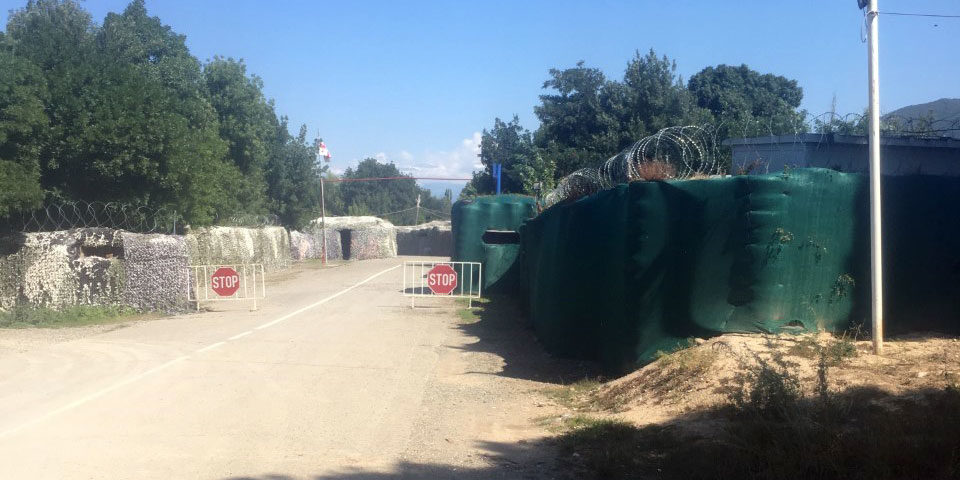
When wars end without clear resolution, conflicts can become frozen. In this post, Clayton Payne examines how the frozen conflicts affecting Georgia’s breakaway republics of Abkhazia and South Ossetia have influenced their environment, and how it is managed.
This guest commentary from UNIDIR argues that we need to explore how climate change is influencing the trade, use and legacy of conventional weapons – and how arms flows will exacerbate climate insecurity.
Thousands of people have helped raise the profile of the environment causes and consequences of war over the last 20 years, this #EnvConflictDay post explores how they have done that, and encourages us to take a day to reflect on our collective achievements.
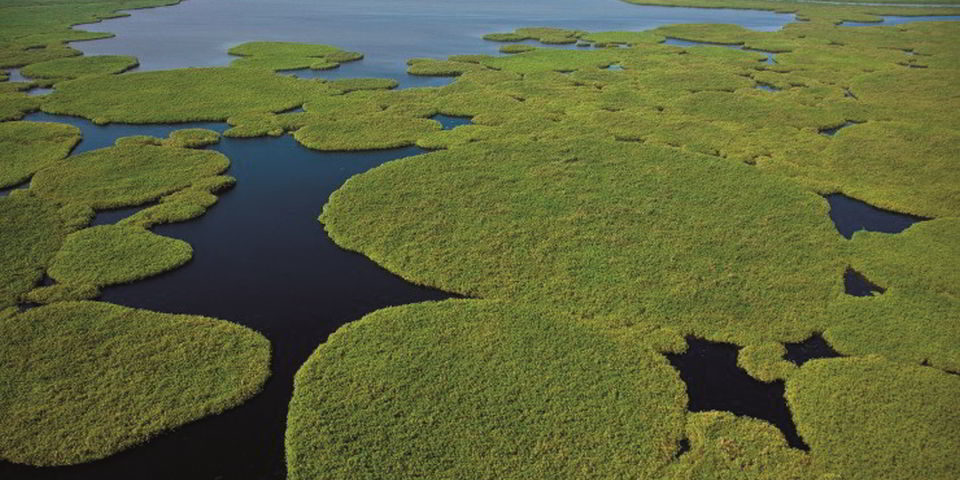
Climate change can drive variation in the availability of natural resources, so Charlotta Ruuskanen looked at whether annual changes in the area of the Sudd wetland in South Sudan influenced the intensity of conflict between pastoralist communities.