
Iran War: Environmental risk overview as of 27th March
A month into the Israeli-US war against Iran we summarise current and emerging conflict trends and their potential implications for people and the environment.
The war against Iran is disrupting global fossil fuel supply chains and, while states increasingly recognise that renewables reduce exposure to geopolitical shocks, Grace Alexander finds that there are dangers that emergency energy policies are chosen that lock-in emissions and energy insecurity.
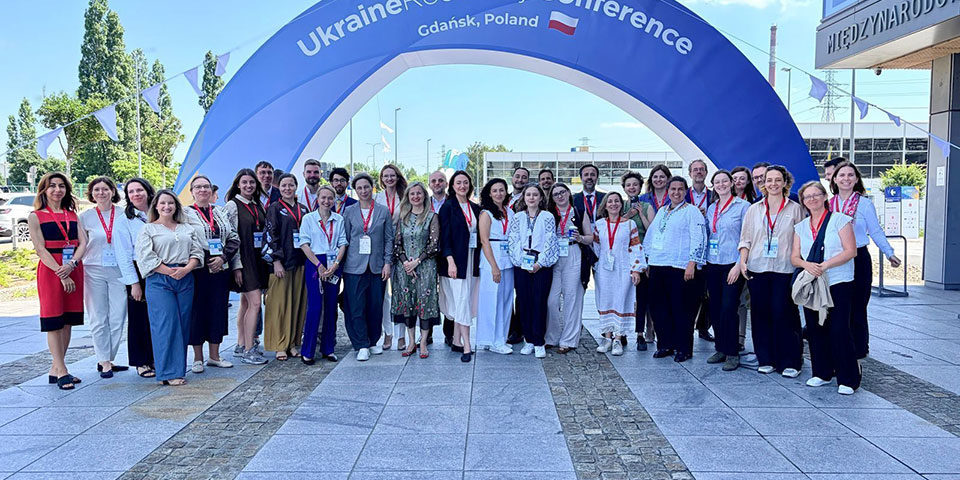
Online stakeholder event exploring Ukraine’s environmental data needs for sustainable recovery, exploring data gaps and opportunities.
An updated overview of emerging environmental issues and perspectives arising from Operation Epic Fury in Iran, Israel, and the Gulf States. Serious pollution incidents continue to place people and ecosystems at risk of acute and long-term harm, while emerging trends could lead to substantial environmental damage as the war continues.
Rapid overview of emerging environmental issues and risks in Iran and the wider region from Operation Epic Fury. Three days in and we’re already seeing pollution incidents that are placing people and ecosystems at risk of acute and chronic harm.
As governments turn their attention to the intersections between nature, peace and security, civil society needs to speak up if we’re to avoid the dead-end securitisation of the climate crisis; to do so, argues Doug Weir, many of us will need to learn a new language.
Grace Alexander explains why exempting military products from the EU’s new Carbon Border Adjustment Mechanism (CBAM) undermines the bloc’s industrial decarbonisation goals and demonstrates a disconnect between its climate and defence policies.
The ICC has published a new policy on how environmental considerations can be integrated into its approach to humanity’s most serious crimes. Lydia Millar examines what the policy says, how it could contribute to accountability processes, and why it’s not the end of the story.