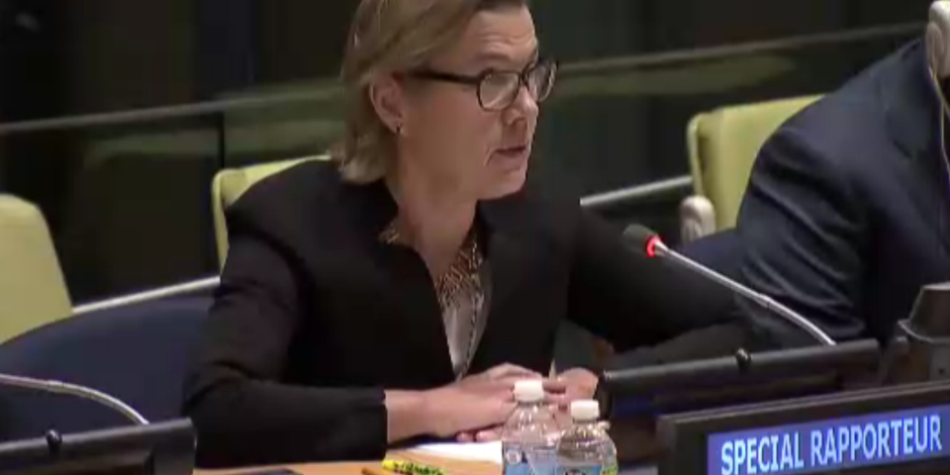
Amb Marie Jacobsson | Working to Protect the Environment in Armed Conflict
Blog examining post-2011 efforts to strengthen the legal framework protecting the environment in relation to armed conflicts.
With new legal principles on the table governing obligations for the remediation of toxic remnants of war, and to ensure data sharing on environmental risks, we take a look at the case of depleted uranium use in Iraq. The US and UK were reluctant to accept responsibility for clearance, and differed markedly on data sharing and cooperation with the Iraqi authorities and UN system.
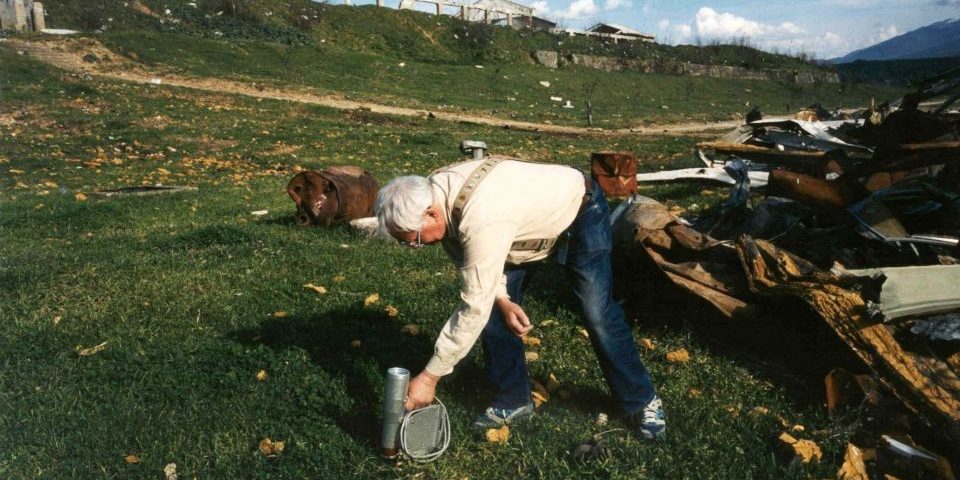
Analysis of the locations where US forces fired depleted uranium weapons in the 2003 Iraq War which revealed its widespread use in urban areas and against non-armoured targets.
The United Nations Special Rapporteur on human rights and toxics has presented the findings of his report on the effects of hazardous substances on the lives of children around the world to the 33rd session of the Human Rights Council. He argued that States should take responsibility for cleaning-up of the toxic remnants of war and provide medical aid to affected communities and individuals afterwards.
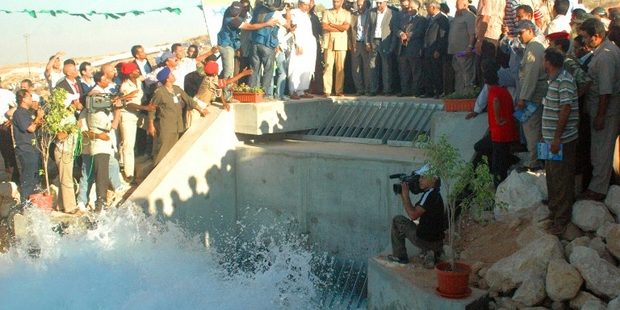
Lack of access to safe water in the war-torn country is driving migration and disease and pollution, say hydrologists and humanitarian groups.
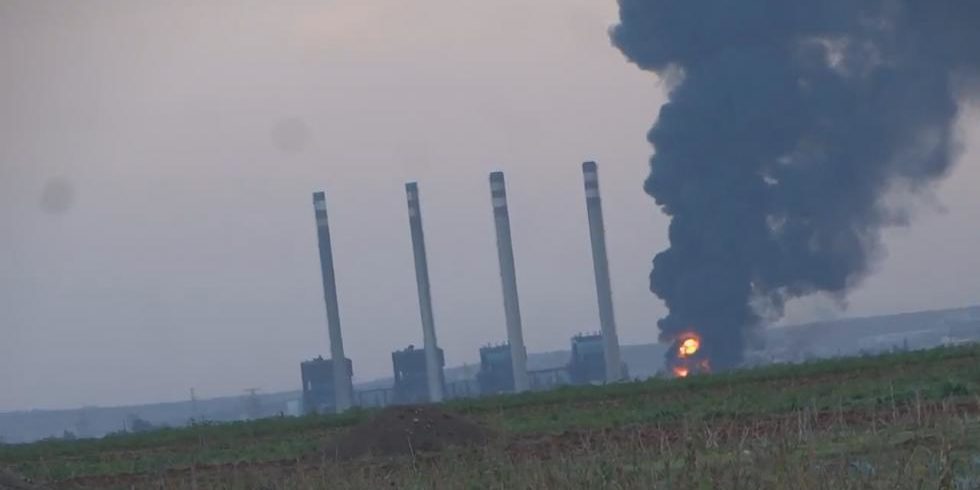
PAX report Scorched Earth and Charred Lives shows a sharp increase in the number of makeshift refineries in Syria’s oil rich Deir ez-Zor governorate, in the past four years, with the most recent analysis based on satellite images from June 2016. There are likely tens of thousands of makeshift refineries in the region, in which adults and an alarming number of children work.
Using satellite analysis, PAX identified a massive increase in artisanal oil refining, a practice that threatens the health of workers – many of them children – and the environment of local communities.
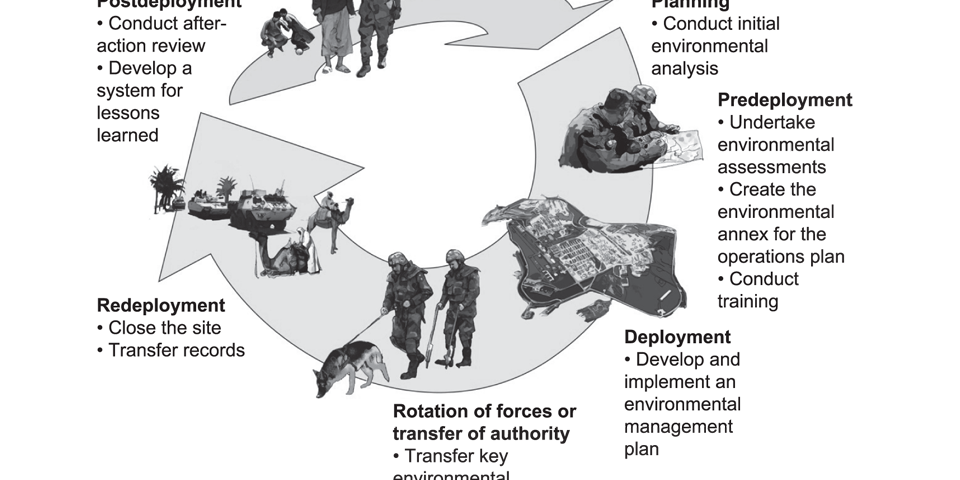
Nine new principles proposed by the UN’s International Law Commission on environmental protection after conflicts have been reviewed and modified by commission members. This blog takes a look at the revised draft principles and assesses their potential contribution to environmental and civilian protection.