Remind us. Who was the Amazon COP for?
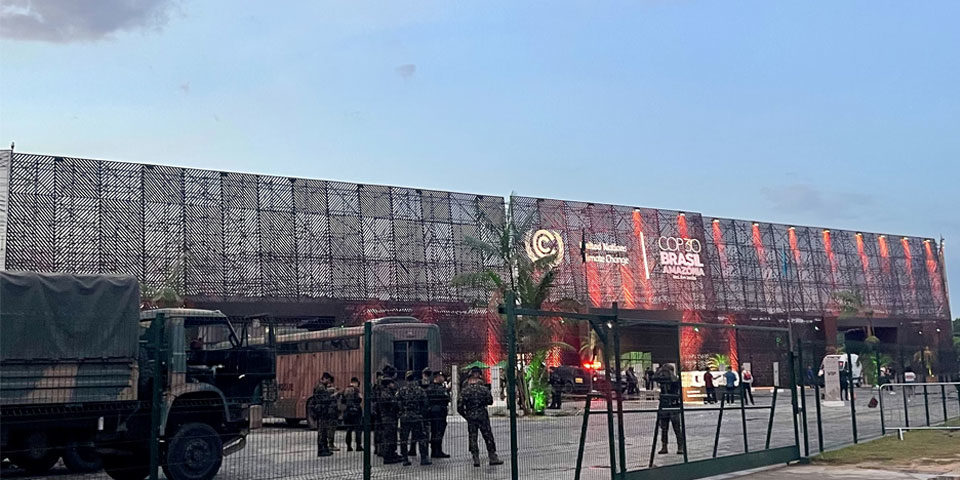
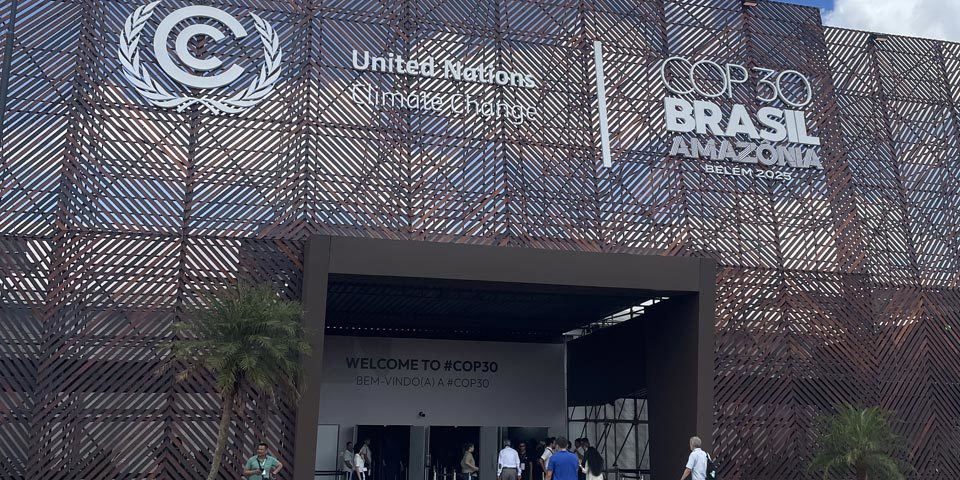
In this post Ellie Kinney reflects on COP30, what it achieved, where it failed, what comes next and on the ever growing profile of military and conflict GHG emissions.
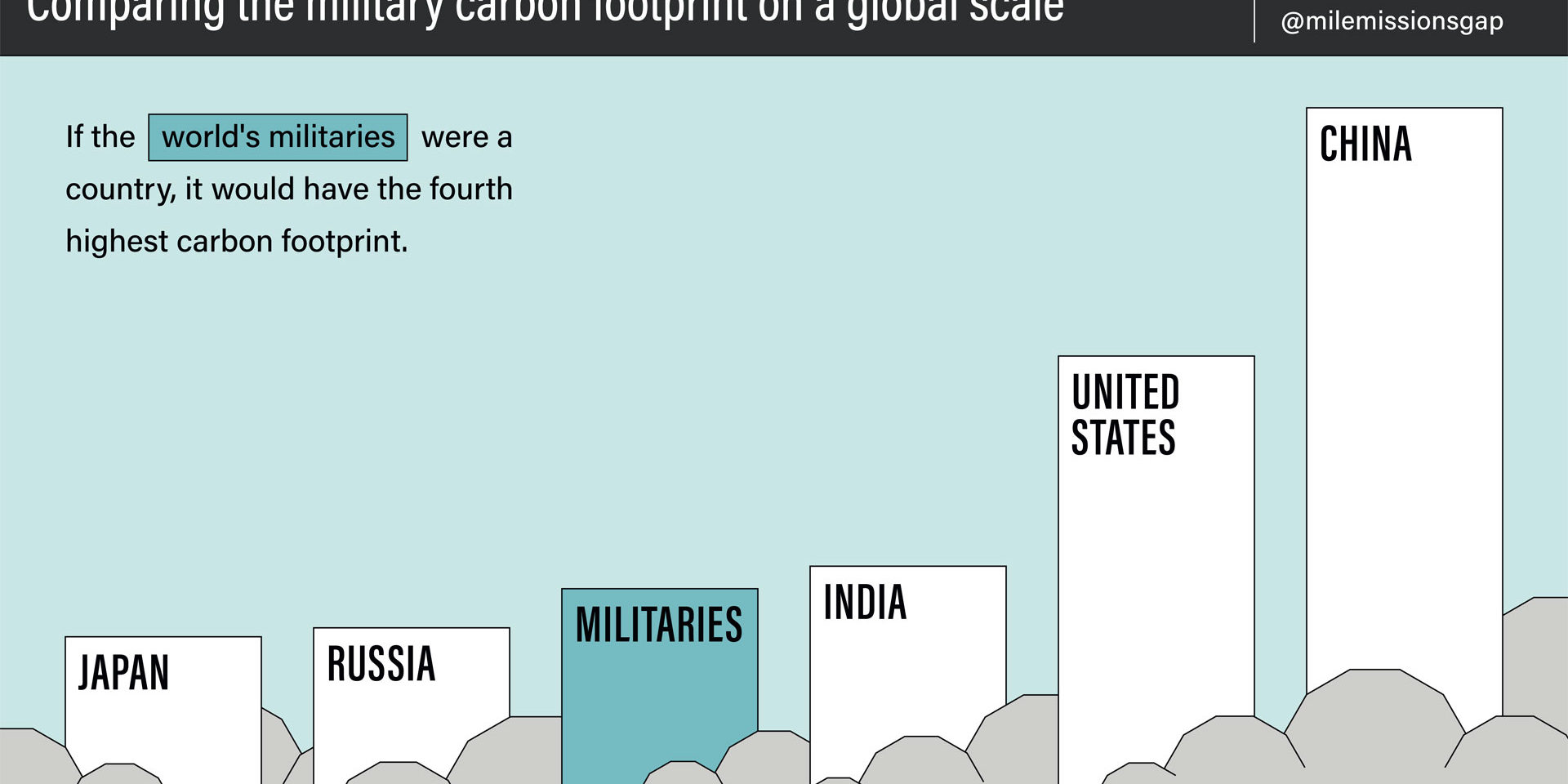
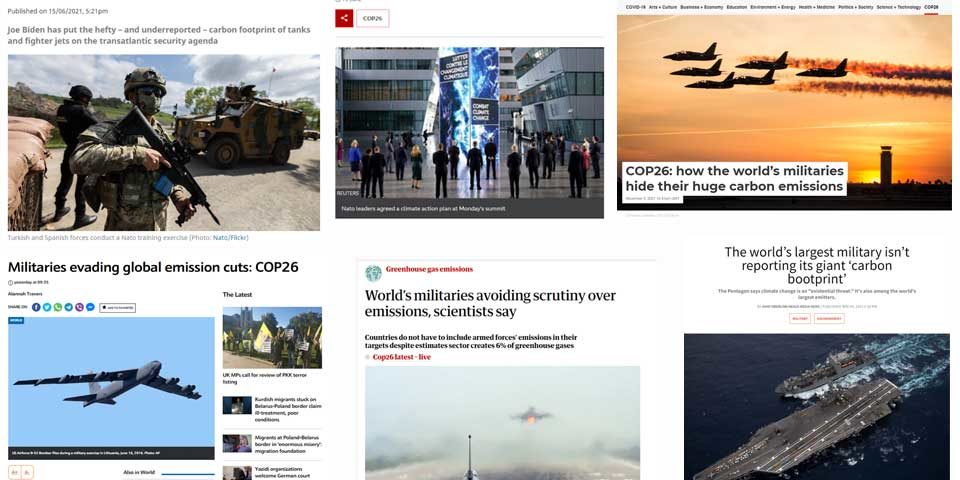
The United Nations’ Framework Convention on Climate Change (UNFCCC) obliges some states to report on their greenhouse gas emissions every year. But, because reporting military emissions is voluntary, many governments have chosen not to. We call this lack of transparency the ‘military emissions gap’.
We know that militaries are significant emitters of greenhouse gas emissions, whether in peacetime or during operations. We also know that improving transparency over their emissions reporting is a key first step towards making the urgent cuts that are needed.
Working with researchers from Lancaster and Durham universities ‘Concrete Impacts’ project, we created militaryemissions.org – a website dedicated to making the data that states report to the UNFCCC more transparent and accessible. The site was launched during COP26.
The website is part of a package of activities that CEOBS is working on around how militarism, conflicts and peace influence greenhouse gas emissions. With growing military engagement on the issue, it is vital that we scrutinise the pledges and claims being made, as well as articulate our expectations for how militaries should address their outsize impact on the environment.
For more information please contact Ellie Kinney (ellie at ceobs.org).

In this post Ellie Kinney reflects on COP30, what it achieved, where it failed, what comes next and on the ever growing profile of military and conflict GHG emissions.
With wars affecting every corner of the globe and military spending at a record high of $2.7 trillion, 2024 also saw humanity breach the Paris Agreement’s 1.5 degree target. In this post Ellie Kinney asks what, if anything, COP30 will deliver on conflict, climate and militarism.
Our 2025 analysis of the military emissions data that countries report to the UNFCCC reveals that reporting is getting worse. Grace Alexander explores how, at a time of growing military spending, the expanding military emissions gap is undermining climate accounting and ambition.
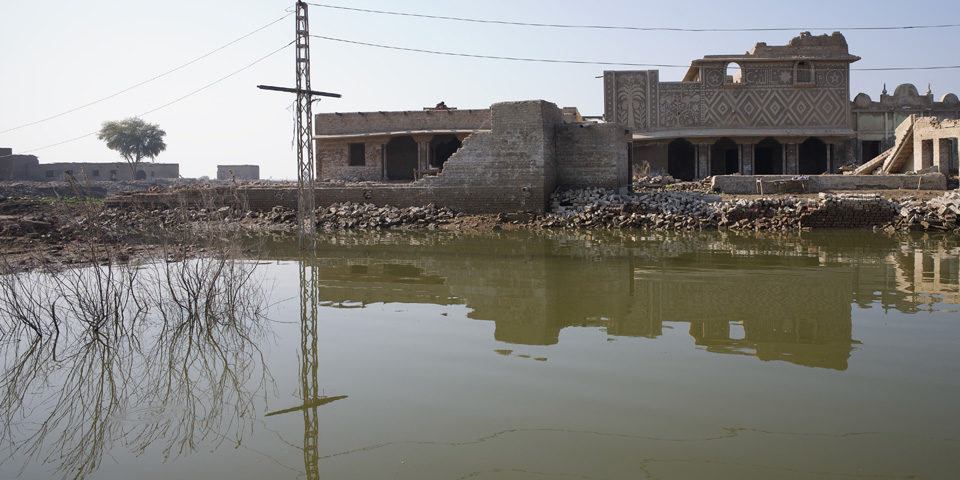
Countries in South Asia are being hard hit by the climate crisis. In this guest post, Usman Ali examines how Pakistan and India’s security choices are leading to increasing military spending and emissions, while undermining human and environmental security.
The ICJ’s recent advisory opinion on climate change is the most significant development in climate law in this decade. In this post, Madara Melnika explains what the ICJ decided and how it might influence military and conflict emissions.
Europe’s defence spending is on the rise, its military emissions set to follow. In this guest post, Hannah Huibregtsen examines the 82% gap in EU military emissions reporting and argues that without it, the EU risks undermining both its climate goals and long-term security.
Rapid rises in global military spending threaten climate action, undermining our collective security, this post highlights the findings of a new joint paper that explores how everything from direct emissions to diverted climate finance are threatening SDG 13 on Climate action.
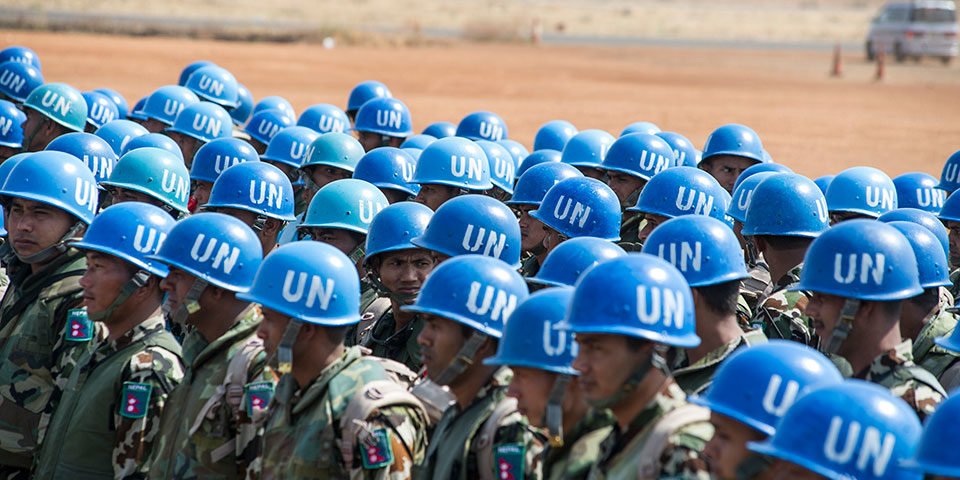
To mark this week’s UN Peacekeeping Ministerial in Berlin, Ellie Kinney explains its potential role in improving transparency over the reporting of military GHG emissions and shares recommendations that would help encourage decarbonisation.
Ellie Kinney explores why ramping up military spending while military decarbonisation is in its infancy risks locking in carbon-intensive military equipment for decades, why spiralling military spending is placing climate action and our collective security at risk, and what needs to happen next.
In many ways, peace and security had never enjoyed a higher profile than they did at COP29 in Baku and yet developed countries failed fragile and conflict-affected states. In this post Ellie Kinney takes stock of what happened at COP29 and looks ahead to COP30 next year.
World leaders, negotiators, and civil society are heading to Baku for what its Azerbaijani hosts have labelled the “COP of Peace”. Set against the backdrop of an increasingly unpeaceful world, and the urgent need for states to agree on a new climate finance goal, Ellie Kinney explores what we can expect on militarism, conflict and climate at COP29.
In this post Doug Weir examines whether framing the climate crisis primarily as a security threat slowed the growth of the partnerships and public consent needed to support rapid military decarbonisation.
COP28 agreed that countries must submit new NDCs by February 2025. These national plans for climate action are important but at present military emissions are largely absent from them. As Linsey Cottrell finds, failing to include them this year could delay their inclusion until 2030.
Militaries are increasingly publishing climate mitigation strategies, so we’ve developed checklists to evaluate them. In this post Linsey Cottrell introduces the checklists, and also compares military decarbonisation with another challenging sector: healthcare.
In this post, Linsey Cottrell explore whether it is credible for states to refuse to report their military emissions on the grounds of national security.
Ellie Kinney reflects on the role that militaries played in COP28, whether behind closed doors, centre stage, or by their absence, and on the prospects for international action on military and conflict emissions at COP29.
Ahead of arriving in Dubai for COP28, Ellie Kinney outlines the key topics and trends at the intersection between climate change, conflicts and peace. As global military emissions rise, and with new and protracted conflicts capturing international attention, how is this impacting climate diplomacy?
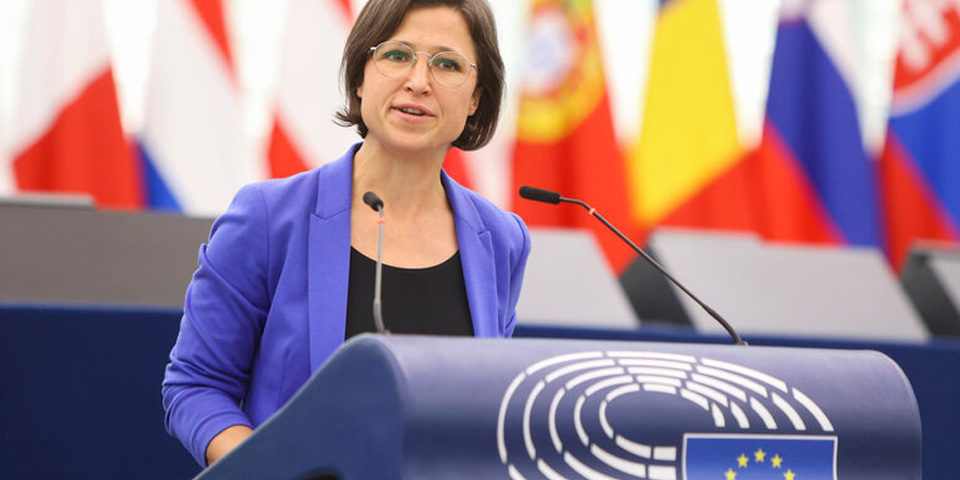
The European Parliament has called for the closure of the military emissions gap ahead of COP28 after three amendments on military emissions reporting and decarbonisation were included in its annual climate summit resolution.
The UK government has responded to the House of Commons Defence Committee report on Defence and Climate Change. Linsey Cottrell analyses the key points made, remaining gaps and the road ahead for reducing the UK’s military greenhouse gas emissions.
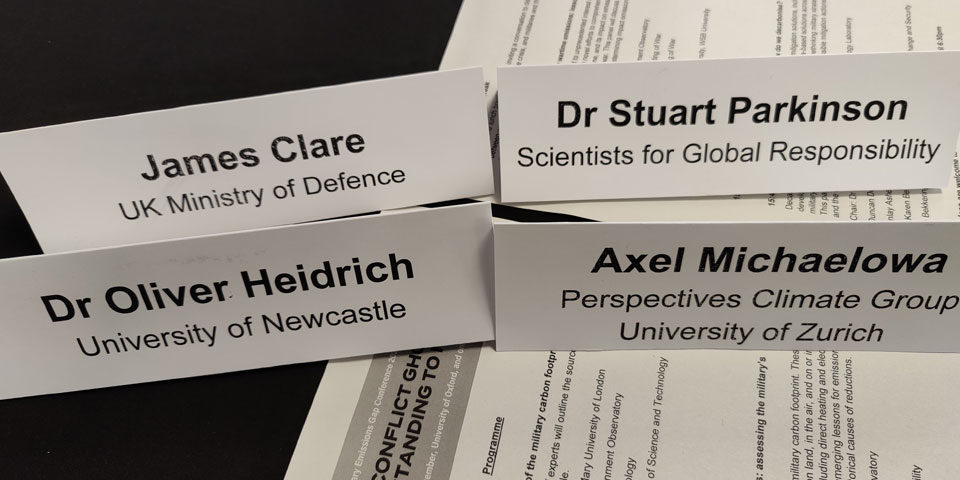
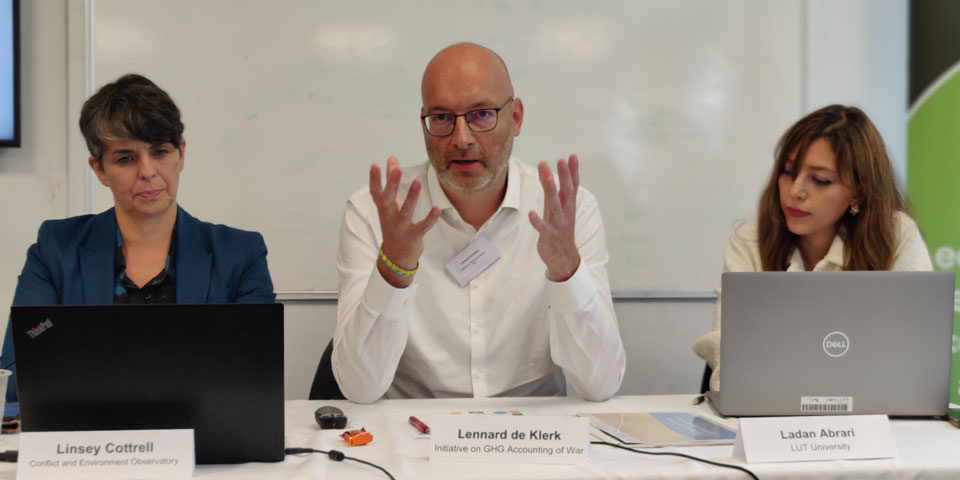
CEOBS’ Military Emissions Campaigner Ellie Kinney reflects on the first Military Emissions Gap conference, which brought together academia, civil society and military representatives to discuss military and conflict greenhouse gas emissions.
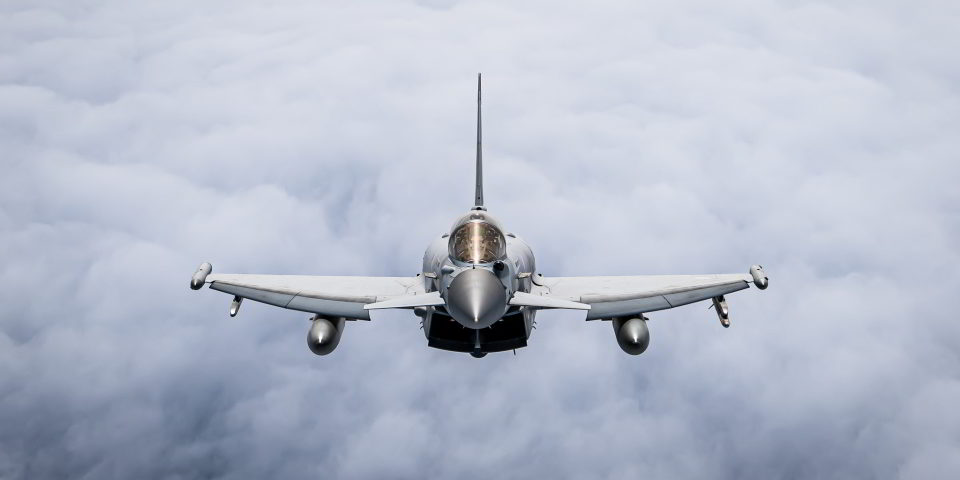
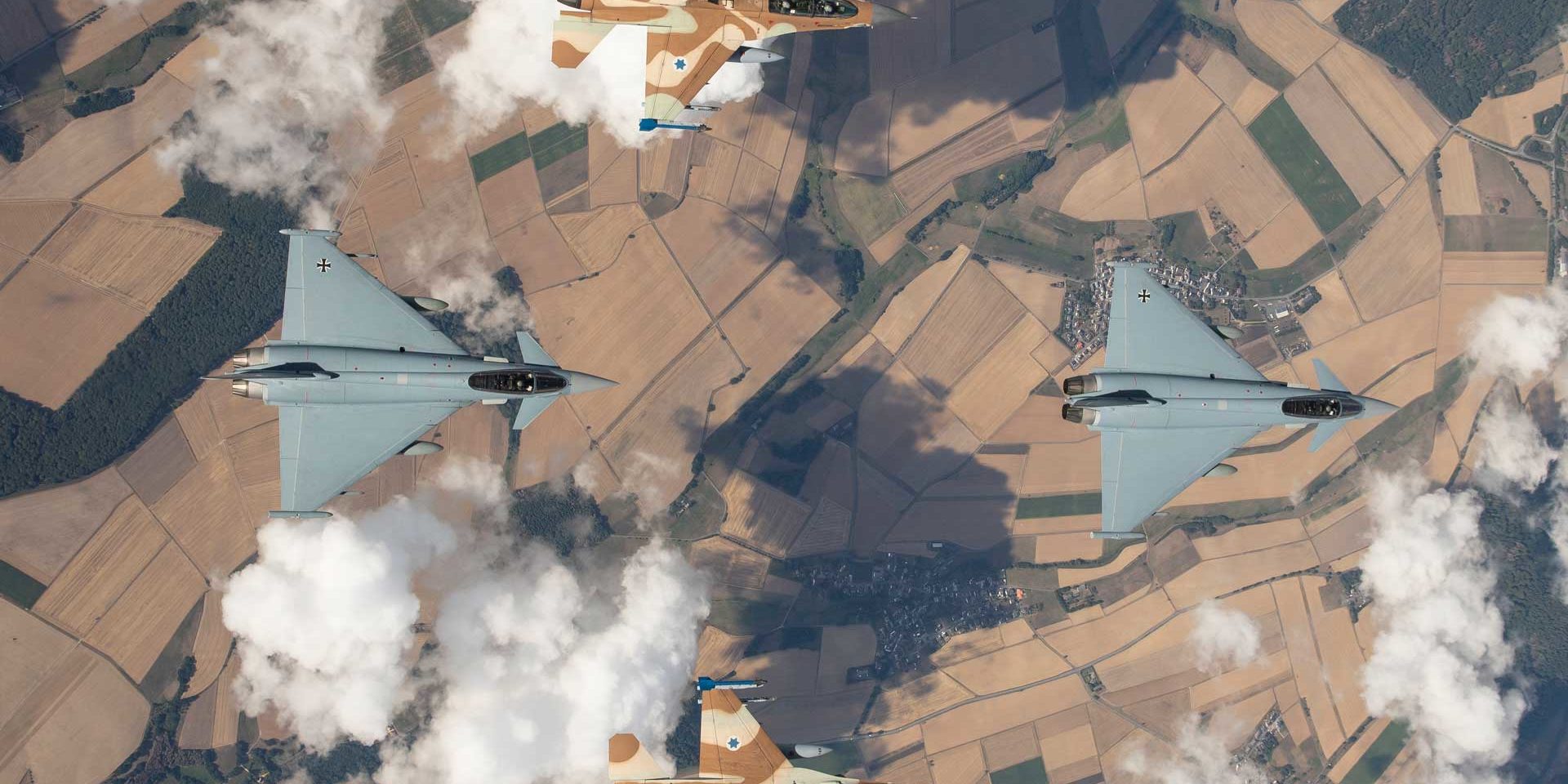
A RAF Typhoon takes part in air defence training over the Baltic region in May 2022. The RAF has set an ambitious target to reach net-zero by 2040, but there are no consistent milestone or targets across other UK Commands. (Credit: NATO) The UK House of Commons Defence Committee has released the Defence and Climate…
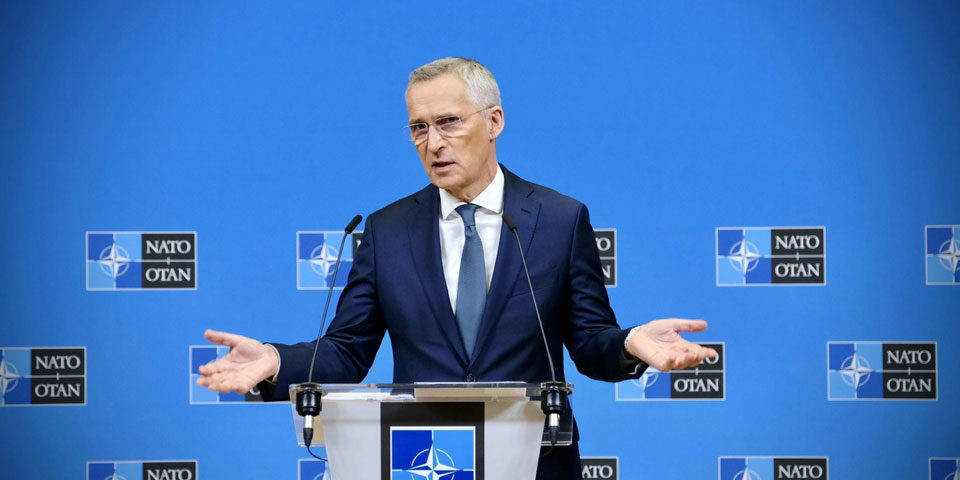
NATO’s Vilnius summit saw the publication of three new documents on climate action, including its long-awaited Greenhouse Gases Emission Mapping and Analytical Methodology. In this post, Ellie Kinney examines the summit’s climate outputs and their context.
The IPCC’s failure to mention military or conflict emissions in its recent synthesis report points to a deeper problem. Ellie Kinney explains why solving it will require a concerted effort from states, researchers and civil society.
In this blog, Linsey Cottrell summarises the key findings from our report into the state of “greening” policies across EU militaries.
Ellie Kinney landed at COP27 in Sharm el-Sheikh on a mission to advocate for better reporting of military greenhouse gas emissions, here’s what she found.
Ellie Kinney explores how liberal and conservative MEPs blocked an initiative that would have contributed towards improving European military emissions reporting in the run up to COP27.
As the impact of the climate crisis continues to grow, rapid emissions cuts are becoming ever more urgent. Our new report finds that militaries may be responsible for 5.5% of global emissions – a proportion so great that it can no longer be ignored.
Ellie Kinney explains why we have launched a new campaign ahead of COP27 urging NATO to come clean on its military emissions reporting.
Climate action tracking websites and reports play a vital role in driving the climate action of states and corporations but as Ellie Kinney writes, the leading climate tracking sites remain silent on military emissions.
It looks like NATO has pledged to reduce its institutional emissions but won’t publish the methodology it will use to count them. Doug Weir argues that this lack of transparency underscores the importance of military emissions instead being addressed by the UNFCCC.
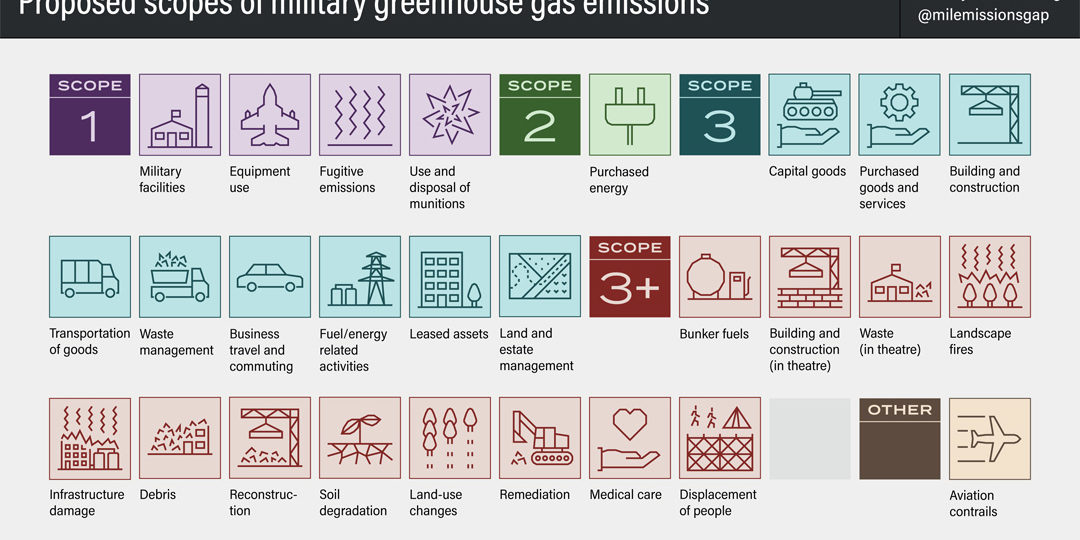
What sources of greenhouse gas emissions should militaries be tracking and reporting on? Ellie Kinney introduces our new report, which examines military emissions in both peacetime and during conflicts.
The electrification of military vehicles will increase demand for batteries, yet forthcoming EU battery legislation contains a blanket military exemption. Piotr Barczak and Linsey Cottrell explain why the exemption challenges military greening claims.
It’s been an extraordinary year for the campaign to hold militaries accountable for their contribution to the climate emergency, in this post Doug Weir takes stock of where we are, and how we can build on the achievements of COP26.
Linsey Cottrell introduces the key findings from our analysis of the military emissions data that governments report to the UNFCCC. We found that the standard and scope of reporting is unacceptable, underscoring the need for greater transparency and tougher standards.
With interest growing in reducing military emissions, Linsey Cottrell and Eoghan Darbyshire explore why they emit so much and what it will take to reduce their contribution to climate change.
Doug Weir untangles what it actually was that NATO and its member states committed to at June’s summit. While there were some positive signs, the pledges fell short of what is needed to address military contributions to the climate crisis, in line with the Paris Agreement.
With so much focus on how climate change can influence security, have we neglected the question of how conflicts influence emissions? As Eoghan Darbyshire and Doug Weir explain, environmental and social changes in conflict-affected and post-conflict areas can mean significant changes in emissions.
In a new report, CEOBS and SGR reveal for the first time the level of carbon emissions from the largest EU militaries and the EU military sector. This blog summaries our findings.
Policy briefing exploring the UNFCCC’s military emissions reporting blind spot, how rising military spending is exacerbating the problem and what needs to be done to address it.
Policy briefing examining the intersection between militaries, armed conflicts, nature and the climate crisis, including military land management, the conduct of hostilities, and post-war recovery policies, with entry points for the IUCN and its members.
Paper outlining the impact of rising military expenditure on the achievement of Sustainable Development Goal 13: Climate action, looking at the following targets: strengthening resilience; national policies and planning; climate finance; and capacity building for effective climate change management.
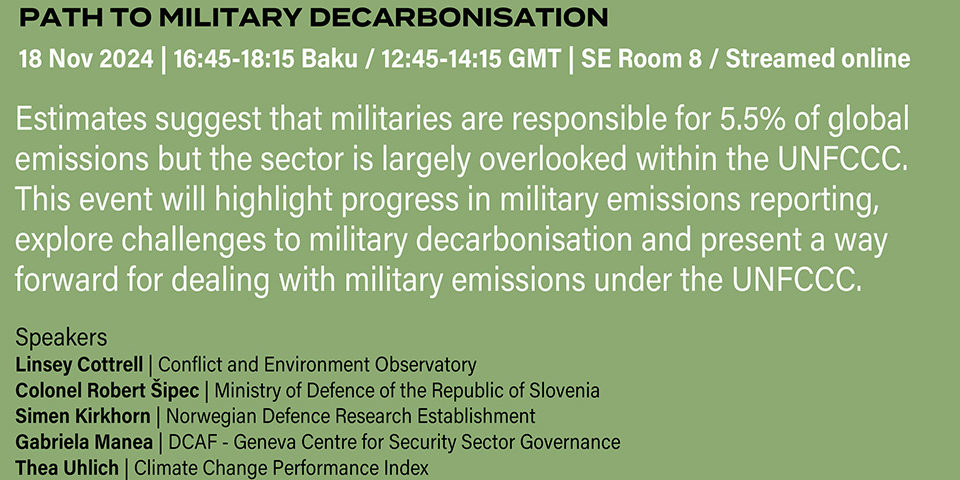
At this COP29 side event, militaries from Slovenia and Norway will discuss their decarbonisation journeys and emerging practice, including on transparent emissions reporting.
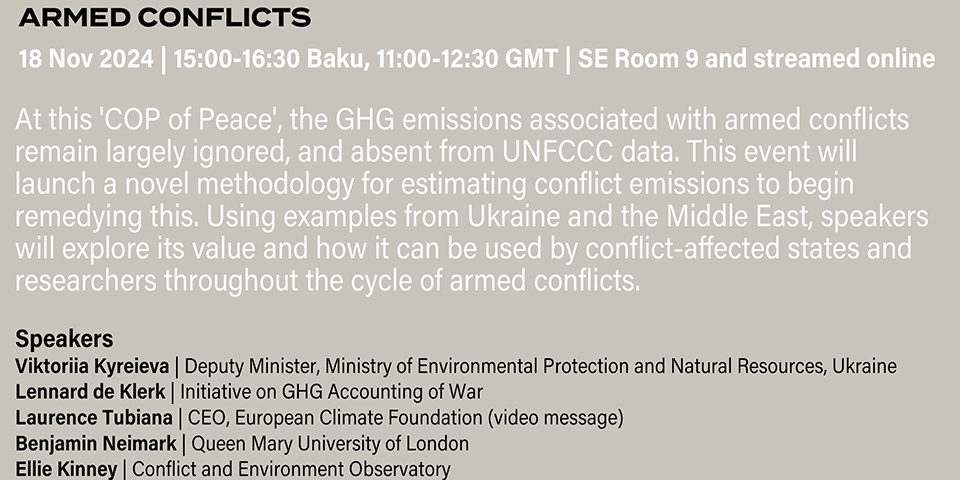
COP29 side event on 18 November will present new conflict emissions tracking methodology informed by research on Ukraine and Gaza.
Easy to use checklists that allow users to judge the likely effectiveness or military climate mitigation strategies and the quality of emissions reporting.
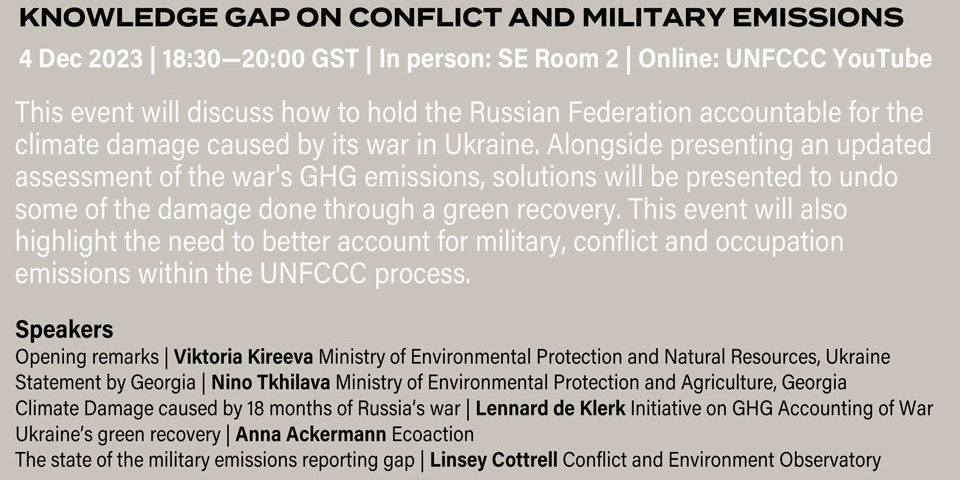
Official COP28 side event on how to hold the Russian Federation accountable for the climate damage caused by its war in Ukraine, and the need to better account for military, conflict and occupation emissions within the UNFCCC process.
The first international Military Emissions Gap conference took place in September 2023. In this review, members of the conference’s organising working group explore each panel in depth and the questions raised by audience members online and in person.
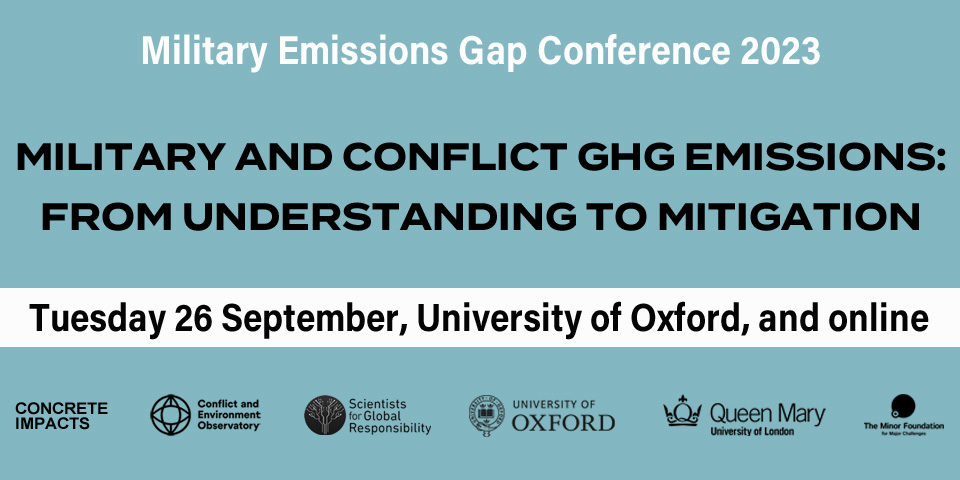
A one day conference bringing together academia, civil society and industry experts to consider how best to mitigate the military’s contribution to the climate crisis, and how to better understand the emissions footprint of armed conflicts.
Linsey Cottrell assesses NATO’s latest Climate Impact Assessment, its methodology for emissions tracking, and its compendium of best practice on military emissions, providing initial recommendations for how NATO should progress its emissions mitigation activities.
This paper critically examines UK Ministry of Defence claims over reducing greenhouse gas emissions from its UK military bases. It is found that the MOD is on course to exceed these targets, but that is only because the targets are very weak and undemanding.
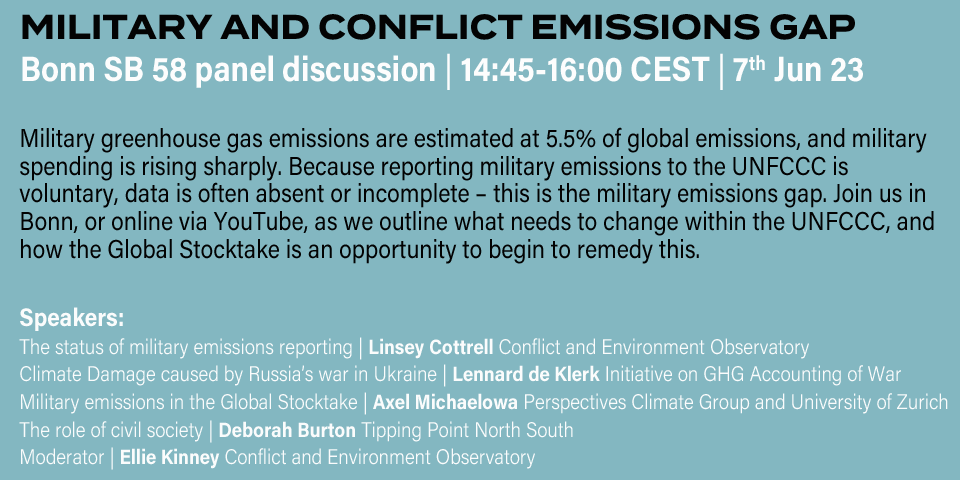
Bonn Climate Change Conference side event on how the UNFCCC’s Global Stocktake could help close the military and conflict emissions gap.
Report mapping out EU military environmental policies and “greening” initiatives, including the extent to which environmental performance reporting is made publicly available. The review also draws on direct feedback from EU defence ministries on their environmental policies, as well as from other stakeholders with an interest in military environmental policy.
In this joint study with Scientists for Global Responsibility, we provide updated estimates for global and regional military GHG emissions, finding that the total military carbon footprint is approximately 5.5% of global emissions.
A concise policy brief on military and conflict greenhouse gas emissions with recommendations for states on reporting and mitigating them.
CEOBS worked with our academic partners in the Military Emissions Gap to produce a Nature commentary ahead of COP27.
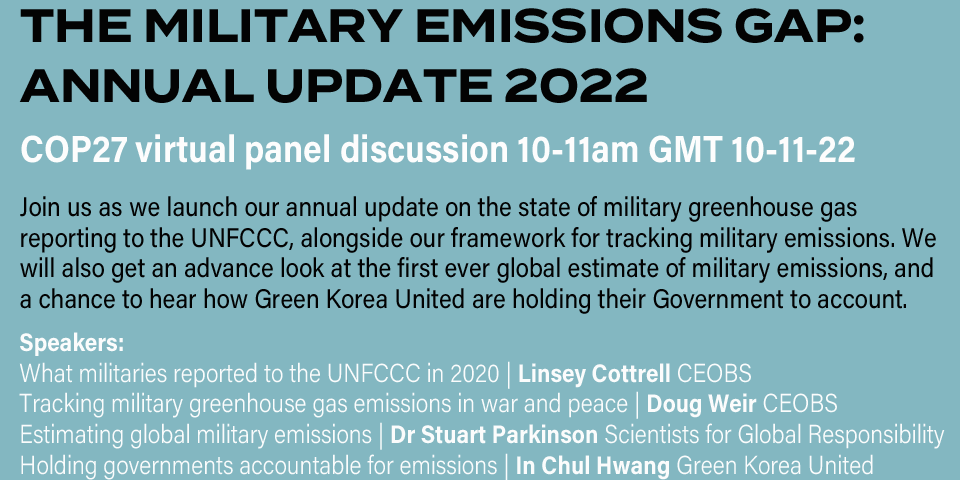
Join us as we launch our annual update on the state of military greenhouse gas reporting, plus an advance look at the first ever global military emissions estimate.
RUSI invited CEOBS to collaborate on a series of podcasts looking at the steps that the UK Ministry of Defence and the industries that support it are taking to address and reduce their environmental footprint.
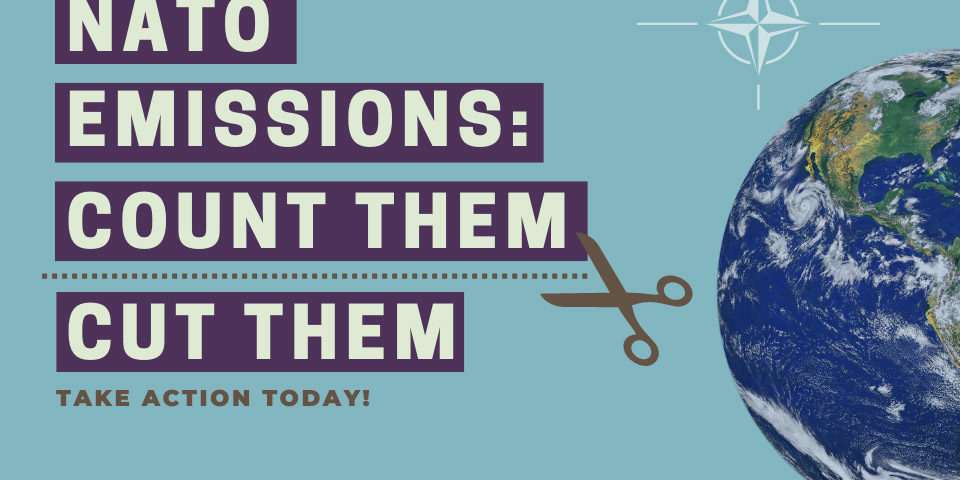
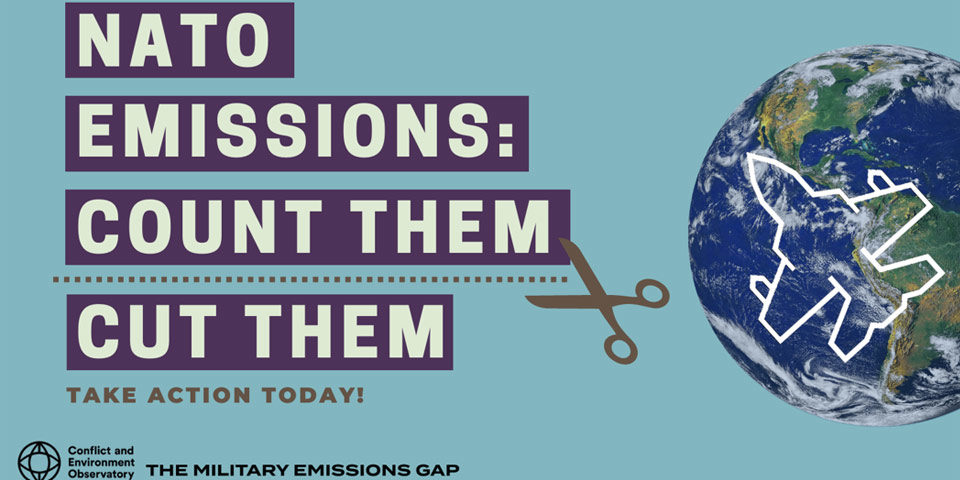
NATO has pledged to cut its carbon emissions but is refusing to share how it will count them. Will your organisation join us in calling for NATO to make its methodology public, and for NATO member states to commit to military emissions reductions that are consistent with the Paris Agreement?
This paper examines the need for military greenhouse gas emissions reporting, its functions and components, and sets out an initial framework for the military sources that emissions reporting should cover, including those associated with armed conflicts.
In this report, Leonie Nimmo and Hana Manjusak examine the environmental Corporate Social Responsibility reporting of some of the world’s biggest arms companies, and discover that it may be far more useful than you might think.
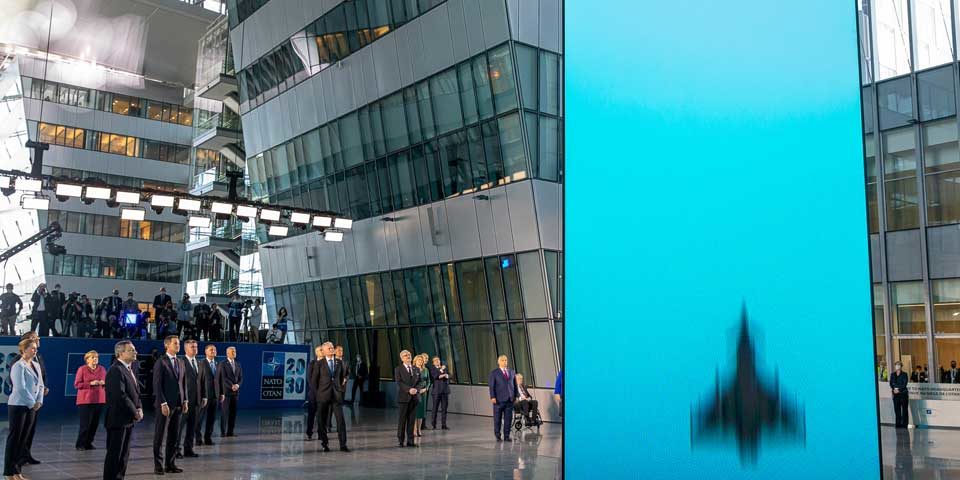
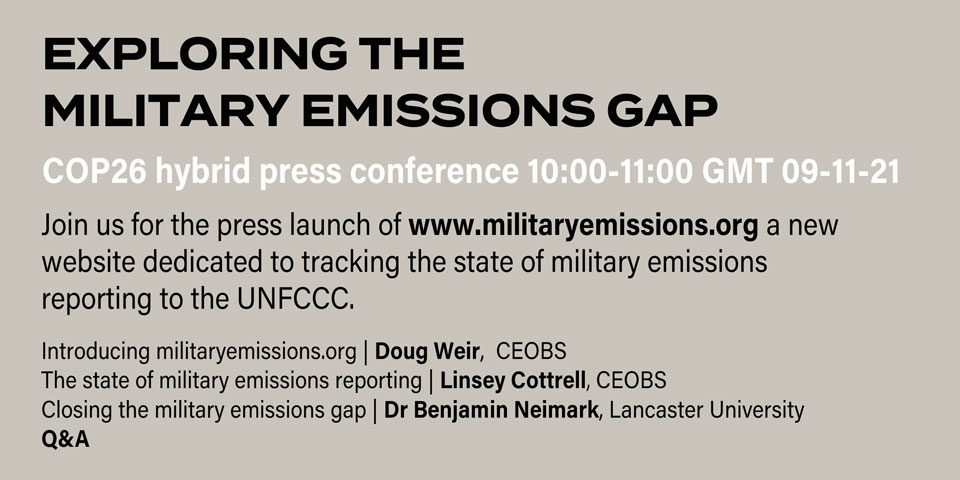
Join CEOBS and Concrete Impacts live from Glasgow for the media launch of www.militaryemissions.org a new website dedicated to tracking the dire state of military emissions reporting to the UNFCCC.
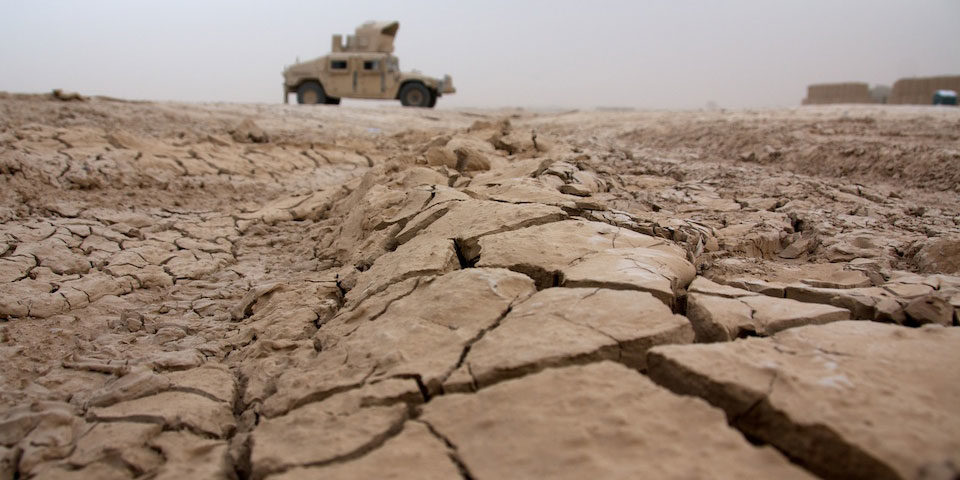
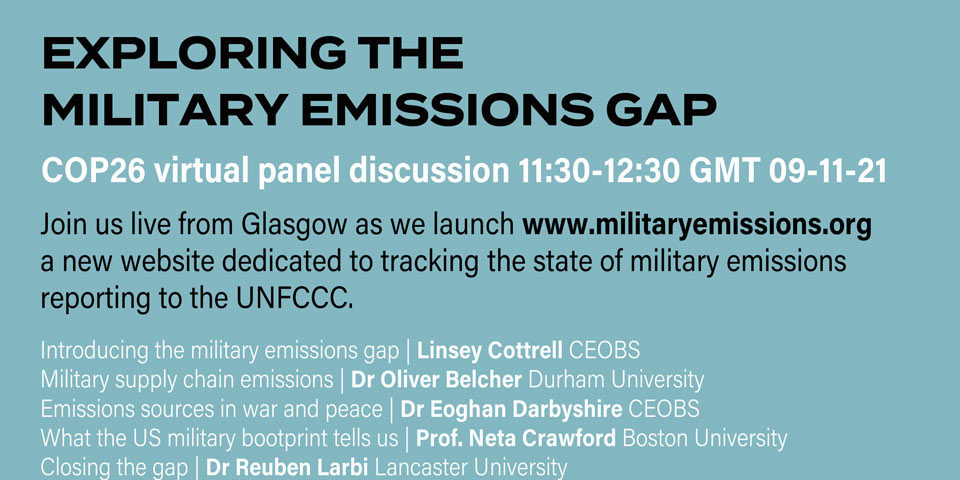
COP26 panel discussion to mark the launch of militaryemissions.org that will explore the flaws in military emissions reporting, and why the scope of reporting needs to be expanded to cover emissions created across the cycle of conflicts, and across militaries’ massive supply chains.
There are signs that some countries may pledge to reduce military greenhouse gas emissions at COP26 in November. This call sets out the scope of what these pledges should include and is open for signature by organisations before and during the COP.
This CEOBS/SGR study set out to estimate the carbon footprint of the EU’s military sectors. The report also provides a broad overview of the policies and measures currently being pursued to reduce military GHG emissions in the EU, and their likely effectiveness.