
Latest updates

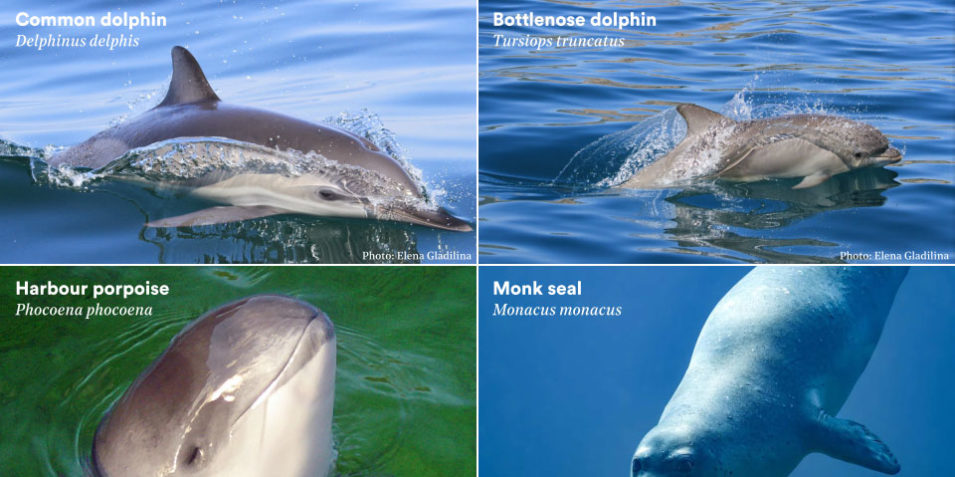
Composite figure with the four Black Sea mammal species, including photos of the common and bottlenose dolphin, harbour porpoise and monk seal.

Evidencing a recovery plan for Black Sea dolphins and porpoises

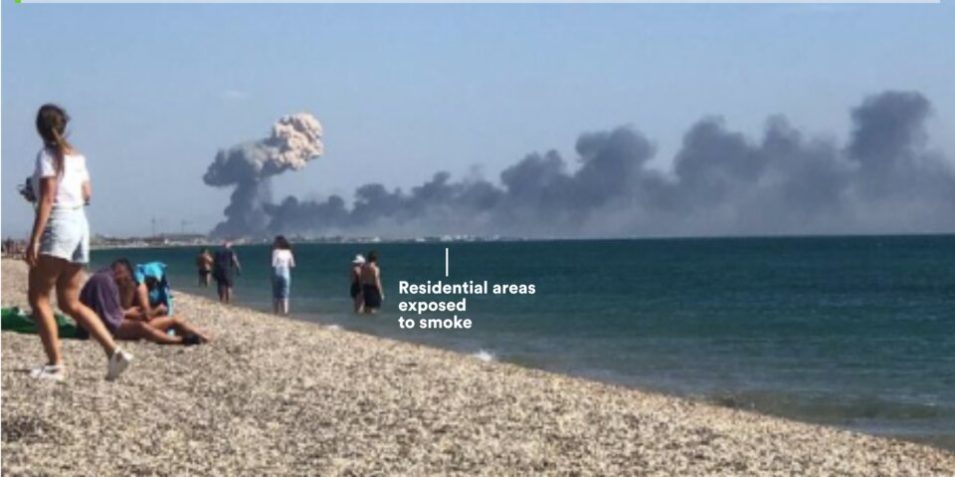
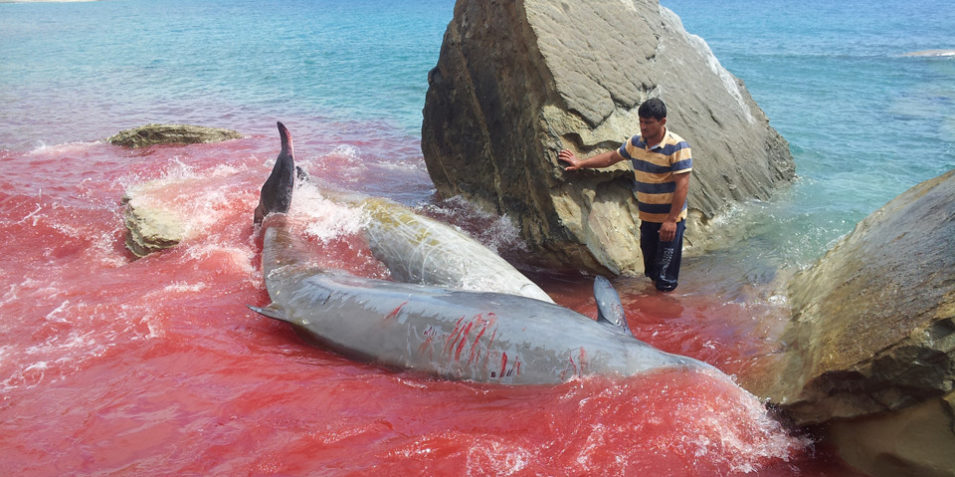
There is significant concern over the impact that Russia’s war against Ukraine has had on Black Sea dolphin and porpoise populations. Regional experts have proposed a recovery plan but as Linas Svolkinas explains, effective mitigation efforts require that we first understand conflict-linked threats.

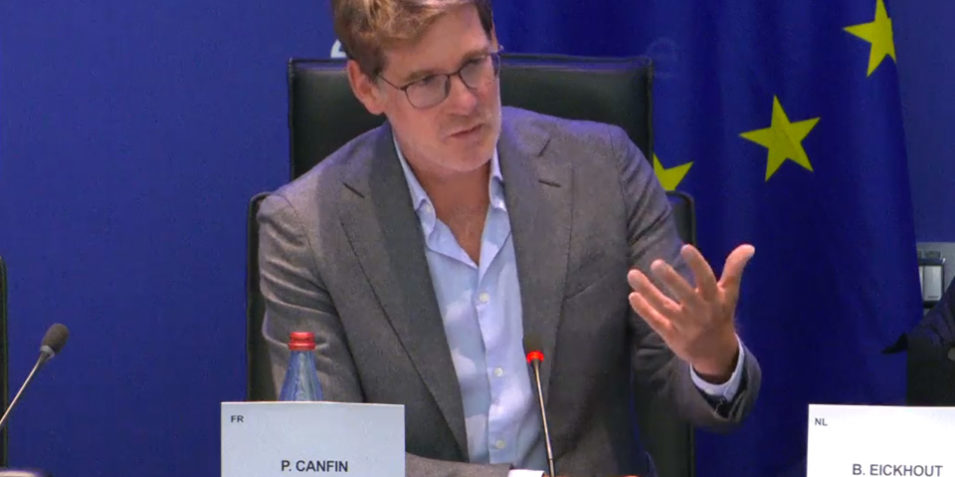
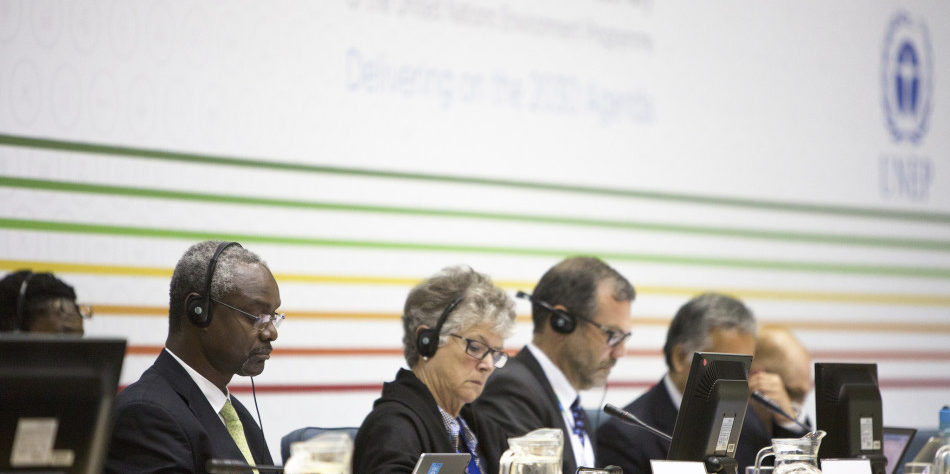
The report articulates the threats posed by #biodiversity loss using a fairly traditional environmental security lens, but with welcome clarity. Governments have more often done this kind of analysis on climate, rather than nature, so what can be done on this? 2/3

Ironically #biodiversity instruments like @UNBiodiversity and its KMGBF are silent on peace and security, while @IPBES can struggle to articulate the relationship. We work with partners to open more spaces to talk about nature, peace and security but more urgency is needed. 3/3

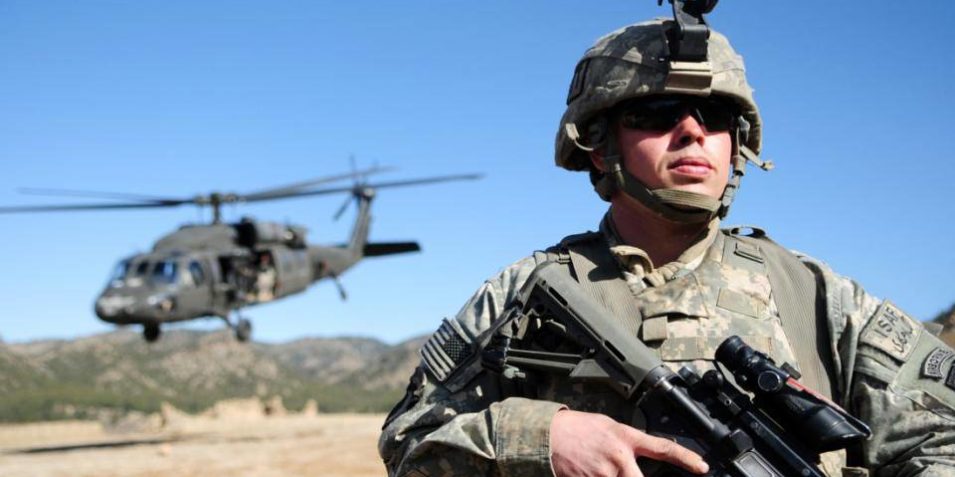
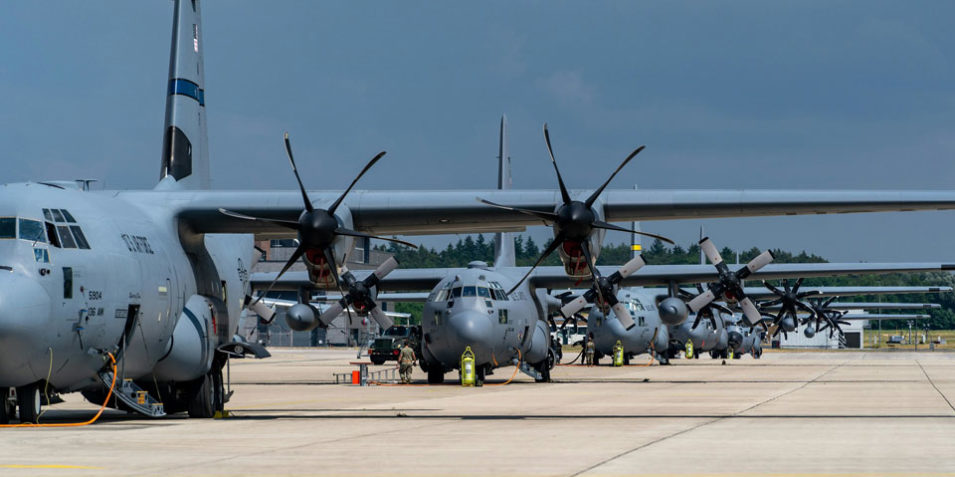
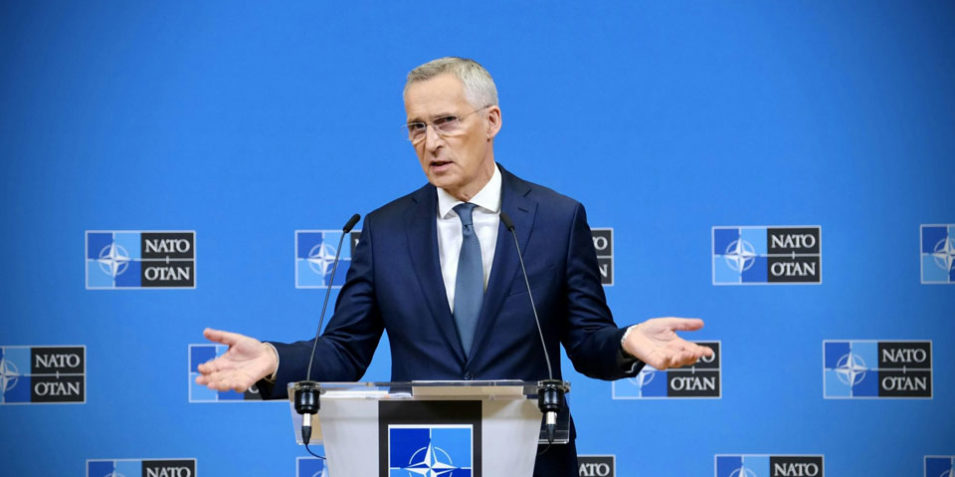
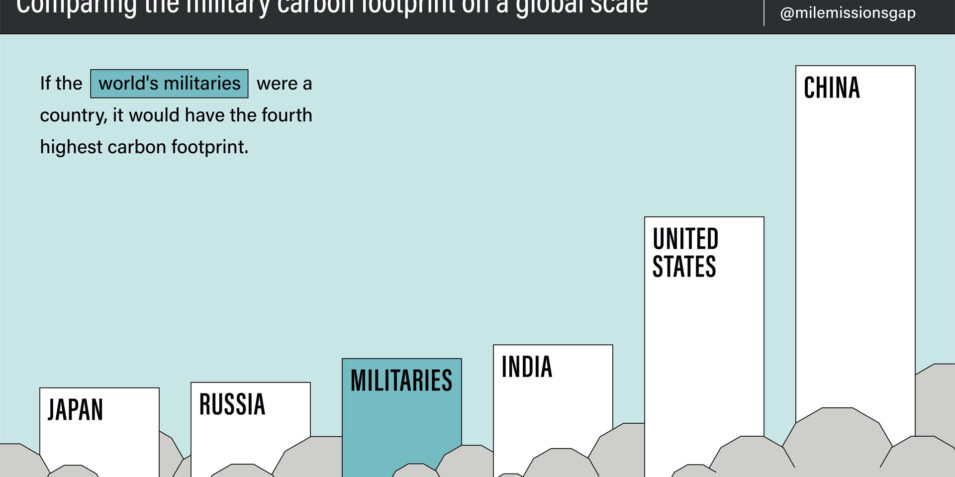
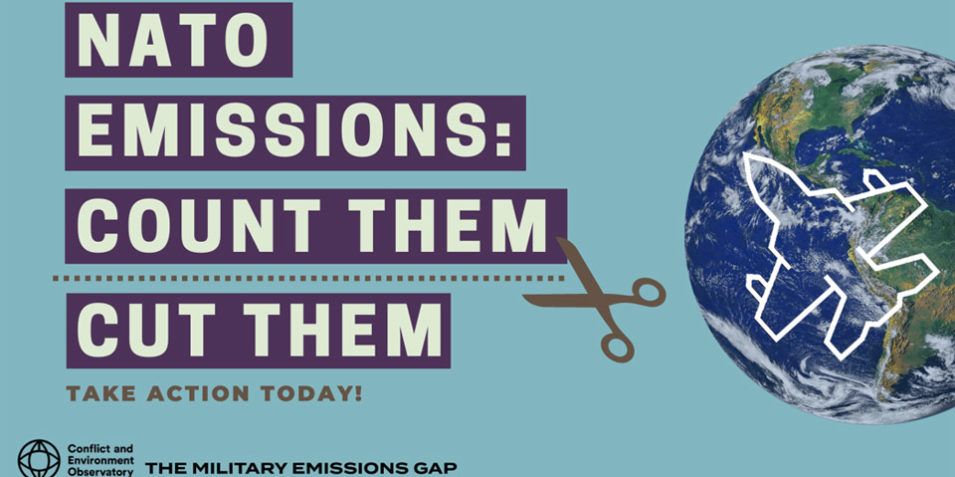
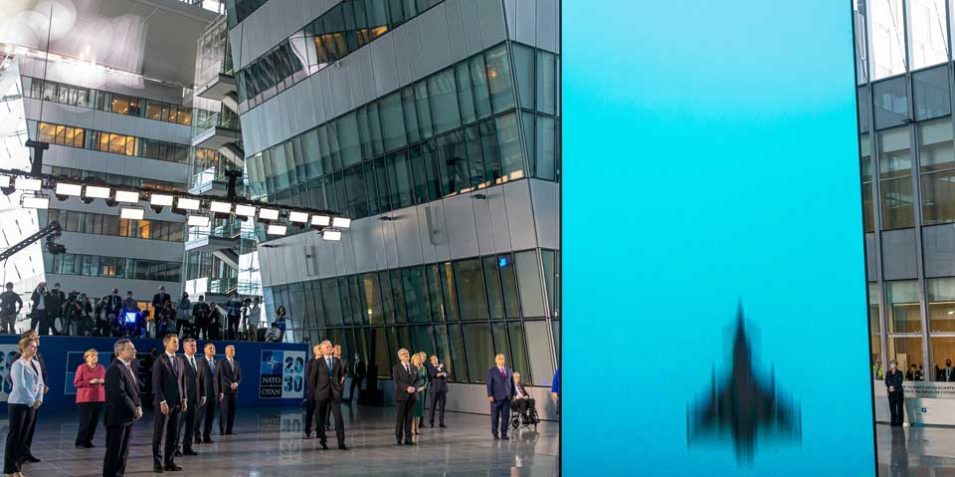
'Attention on climate security and adaptation must not distract from the parallel need for assertive action to address the cause of climate change and work to reduce @NATO’s own GHG emissions,' via NATO STO's new report on #ClimateChange and security: https://www.sto.nato.int/document/the-effects-of-climate-change-on-security 1/3

We contributed to Chapter 5, which reviews the state of climate mitigation efforts within NATO and the alliance, finding them wanting. It's not enough to name climate change as a security threat, security actors must also take steps to mitigate that threat. 2/3

It argues that: 'Strong leadership by NATO on a clear climate mitigation strategy and GHG emission reporting can encourage similar adoption by NATO members and partners.' With the US rolling back mitigation initiatives, it is up to the rest of the alliance to step up. 3/3

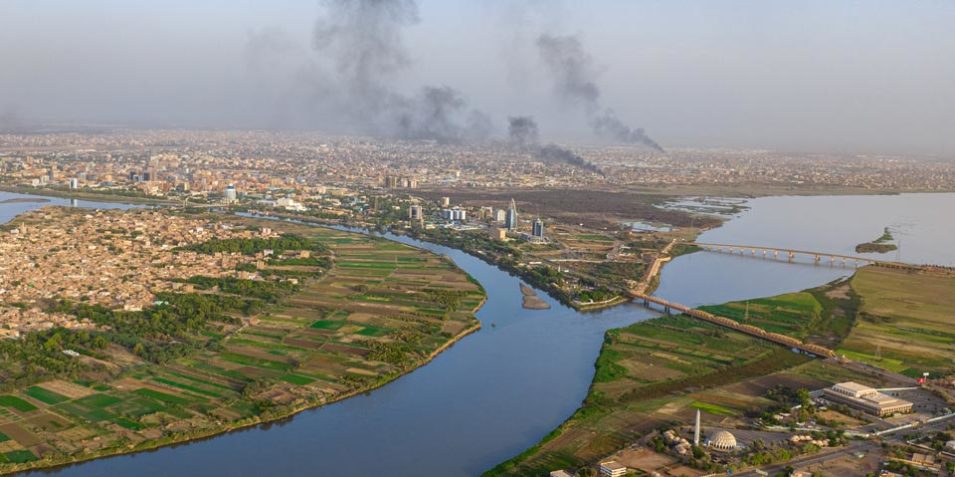
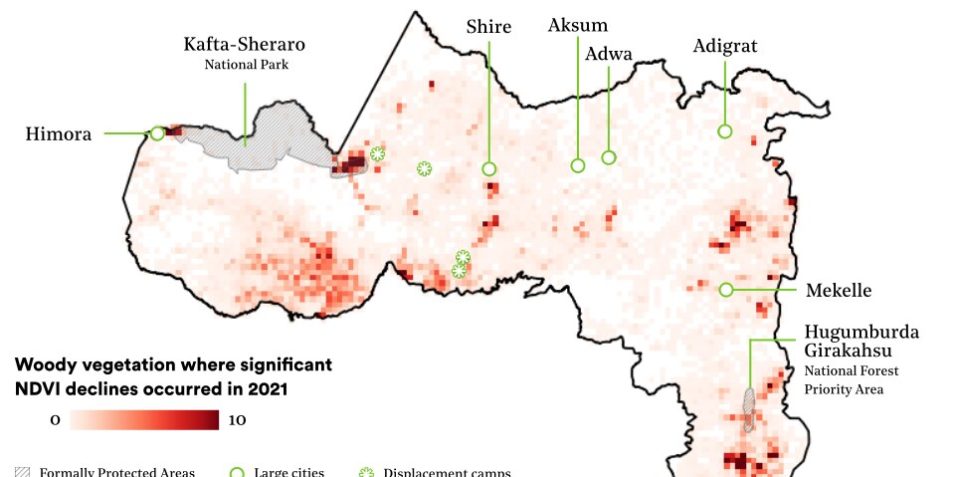
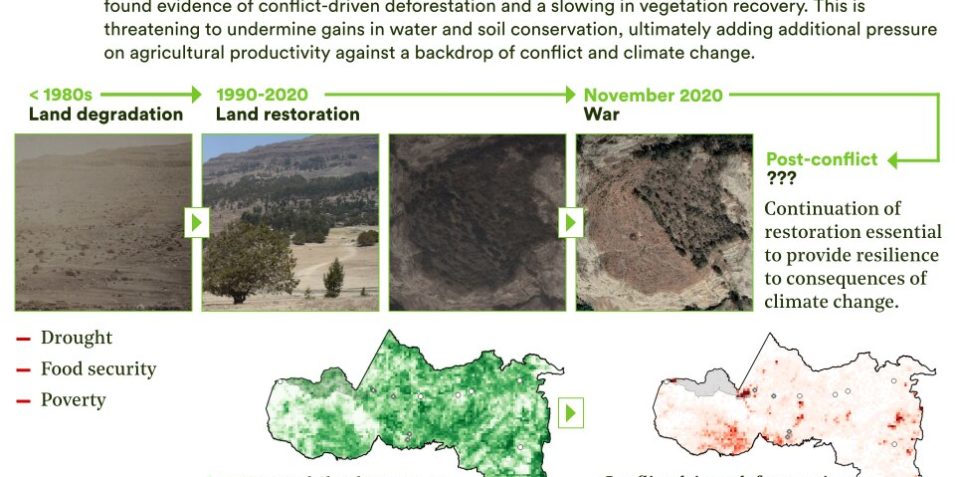
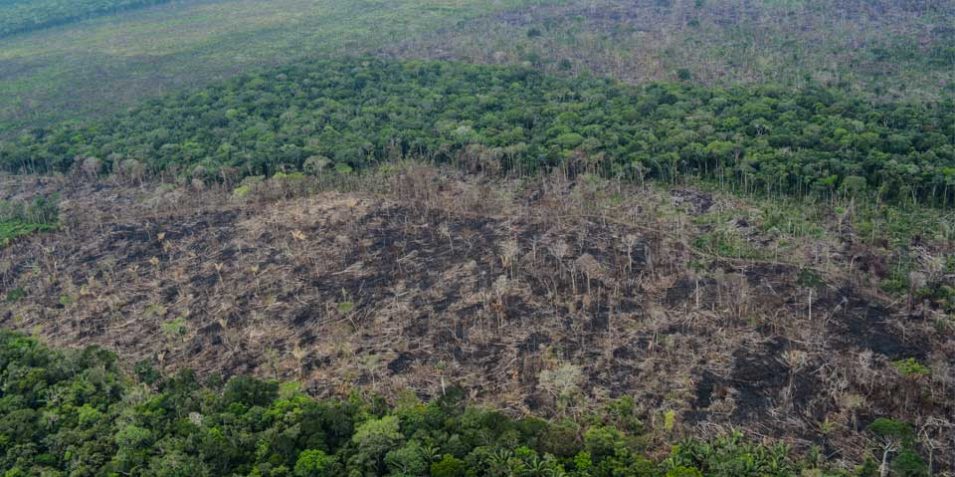
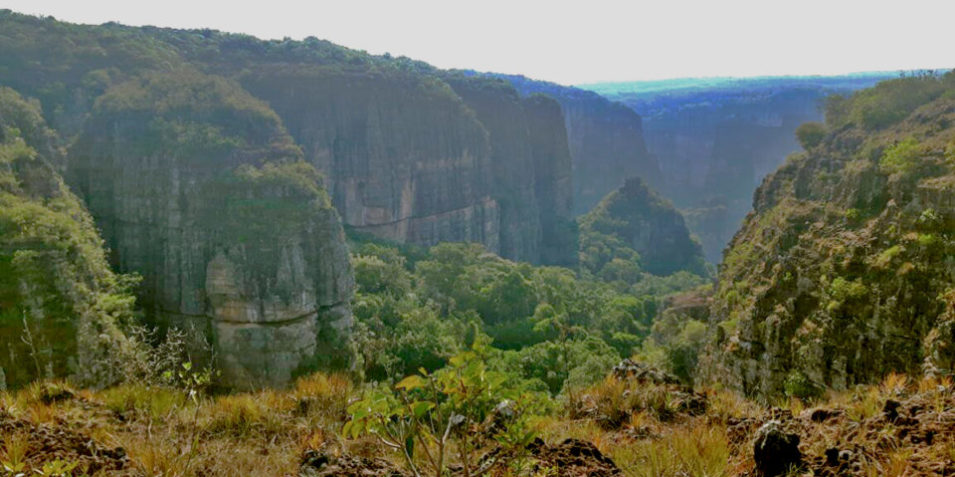
The Al-Sunut Forest Reserve in #Khartoum #Sudan largely survived the war but social media footage suggests deforestation following the recapture of the city. Wartime deforestation rates are very high across Sudan as people seek fuelwood and charcoal. 1/2 #EyesOnSudan

What would be at risk from the loss of Al-Sunut? It was a small oasis of biodiversity in the city, helped protect it from flooding and was home to many species. It was also a focal point for Khartoum's student naturalists and provided resources for local people. 2/2
Load more

The report articulates the threats posed by #biodiversity loss using a fairly traditional environmental security lens, but with welcome clarity. Governments have more often done this kind of analysis on climate, rather than nature, so what can be done on this? 2/3

Ironically #biodiversity instruments like @UNBiodiversity and its KMGBF are silent on peace and security, while @IPBES can struggle to articulate the relationship. We work with partners to open more spaces to talk about nature, peace and security but more urgency is needed. 3/3

'Attention on climate security and adaptation must not distract from the parallel need for assertive action to address the cause of climate change and work to reduce @NATO’s own GHG emissions,' via NATO STO's new report on #ClimateChange and security: https://www.sto.nato.int/document/the-effects-of-climate-change-on-security 1/3

We contributed to Chapter 5, which reviews the state of climate mitigation efforts within NATO and the alliance, finding them wanting. It's not enough to name climate change as a security threat, security actors must also take steps to mitigate that threat. 2/3

It argues that: 'Strong leadership by NATO on a clear climate mitigation strategy and GHG emission reporting can encourage similar adoption by NATO members and partners.' With the US rolling back mitigation initiatives, it is up to the rest of the alliance to step up. 3/3

The Al-Sunut Forest Reserve in #Khartoum #Sudan largely survived the war but social media footage suggests deforestation following the recapture of the city. Wartime deforestation rates are very high across Sudan as people seek fuelwood and charcoal. 1/2 #EyesOnSudan

What would be at risk from the loss of Al-Sunut? It was a small oasis of biodiversity in the city, helped protect it from flooding and was home to many species. It was also a focal point for Khartoum's student naturalists and provided resources for local people. 2/2
Load more

Subscribe

Subscribe to our mailing list for news, blogs and publications.
Subscribe to mailing list

Donate

We rely on grants and private donations, please consider supporting our work through either a one off or recurring donation.
Donate

Follow us

Follow and share our work on Facebook and Twitter.
YouTubeLinkedin